Home>Guides and Tips>How to Test Running Apps and Gear Deals Without Inbox Clutter
Guides and Tips
How to Test Running Apps and Gear Deals Without Inbox Clutter
Published: August 25, 2026
Sign up for running app trials and gear discounts without the inbox chaos. A burner email is the simplest move you never knew you needed.
How to Test Running Apps and Gear Deals Without Inbox Clutter
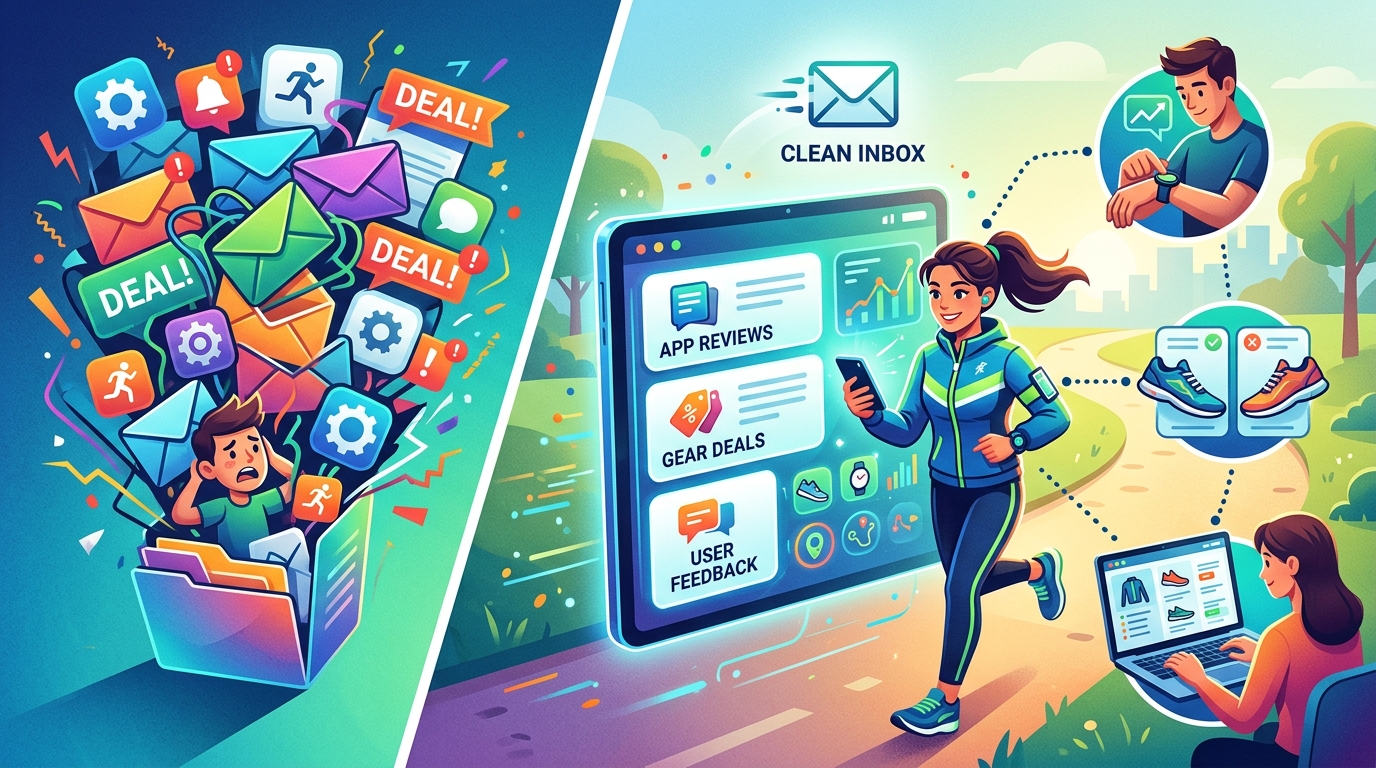
You found a 30-day free trial for a GPS training platform. Or a 20% discount from a gear brand that requires an email signup. You want the offer. You do not want 47 promotional emails landing in your inbox every month afterward. This tension is something almost every runner faces, and most people just accept the spam as the cost of the deal. There is a better way, and it takes about ten seconds to set up.
The Smart Runner’s Takeaway:
1. Free trials and gear discounts almost always require an email address that brands use to build long-term marketing lists.
2. A temporary email address lets you claim any offer without surrendering your real inbox to promotional campaigns.
3. Once the trial or discount code arrives, you close the tab and move on, zero unsubscribes required.
Why Running Apps Are Especially Aggressive With Email
GPS training platforms, recovery apps, and run-tracking software all operate on a freemium model. The free tier hooks you. The email list keeps you in their funnel. The goal is to convert you to a paid subscriber, or to keep you engaged long enough that their usage numbers look good to investors.
This means the moment you hand over your email address to claim a premium trial, you are entering a drip campaign. You will get onboarding emails, feature highlights, “you haven’t logged a run in 3 days” nudges, renewal reminders, and seasonal upgrade offers. None of these are accidents. They are engineered sequences designed to stay top of mind.
The same pattern applies to gear brands. A running shoe company offering 15% off your first order does not just want your order, they want your email on their list. Expect launch announcements, ambassador stories, clearance alerts, and birthday offers whether your birthday is near or not.
The Cost You Do Not Account For
Most runners think about the time cost of a free trial: will I actually use this for 30 days before I need to cancel? Fewer runners think about the attention cost that starts on day one and never fully stops.
According to research on email spam, unsolicited commercial email accounts for a massive share of global email volume, and even legitimate opt-in marketing lists contribute to inbox overload in ways that affect focus and productivity. For runners who are already managing training logs, race calendars, and recovery schedules, a cluttered inbox is not trivial. It is friction.
Unsubscribing helps, but it is not instant. Some brands honor unsubscribe requests in 24 hours. Others take 10 business days. Some segment their lists so that unsubscribing from one campaign does not remove you from others. You end up playing whack-a-mole.
What a Burner Email Actually Does
A burner email is a temporary, disposable email address that exists for as long as you need it and then disappears. You did not create a real account. You gave no name, no phone number, no recovery address. The inbox is real enough to receive emails in the moment, including confirmation links and discount codes, but it has no ongoing existence tied to you.
This is sometimes called a disposable email address, and the concept has been around for years. The Wikipedia article on disposable email addresses explains how these services generate addresses on demand specifically to protect users from unwanted follow-up contact, something that matters more now than ever given how aggressively brands use email to retain customers.
The practical flow looks like this:
- You find a running app offering a 14-day premium trial.
- You open a tab and generate a temporary email address in seconds.
- You paste that address into the signup form.
- The confirmation or trial activation email arrives in the temporary inbox.
- You click the link, activate the trial, and start using the app.
- You never think about that email address again.
When the brand sends its first onboarding email, it goes to an address that no longer exists or that you have simply closed. Your real inbox sees nothing.
The Gear Discount Use Case
Gear deals are a slightly different scenario. A lot of running brands gate their best discounts behind an email capture form. First-time buyer discounts, loyalty program enrollment, waitlist access for limited colorways, all of it funnels through your inbox.
If you actually intend to buy from that brand regularly, using your real email makes sense. You will want order confirmations and shipping updates. But for one-off purchases where you just want the discount and have no brand loyalty either way, a temporary address works perfectly.
Here is where runners most commonly hand over their real email unnecessarily:
- Flash sale signups from brands they have never bought from
- Gear-giveaway entries on social media that require email signup
- Free training plan downloads from supplement or nutrition brands
- Early access programs for shoe drops you may or may not care about
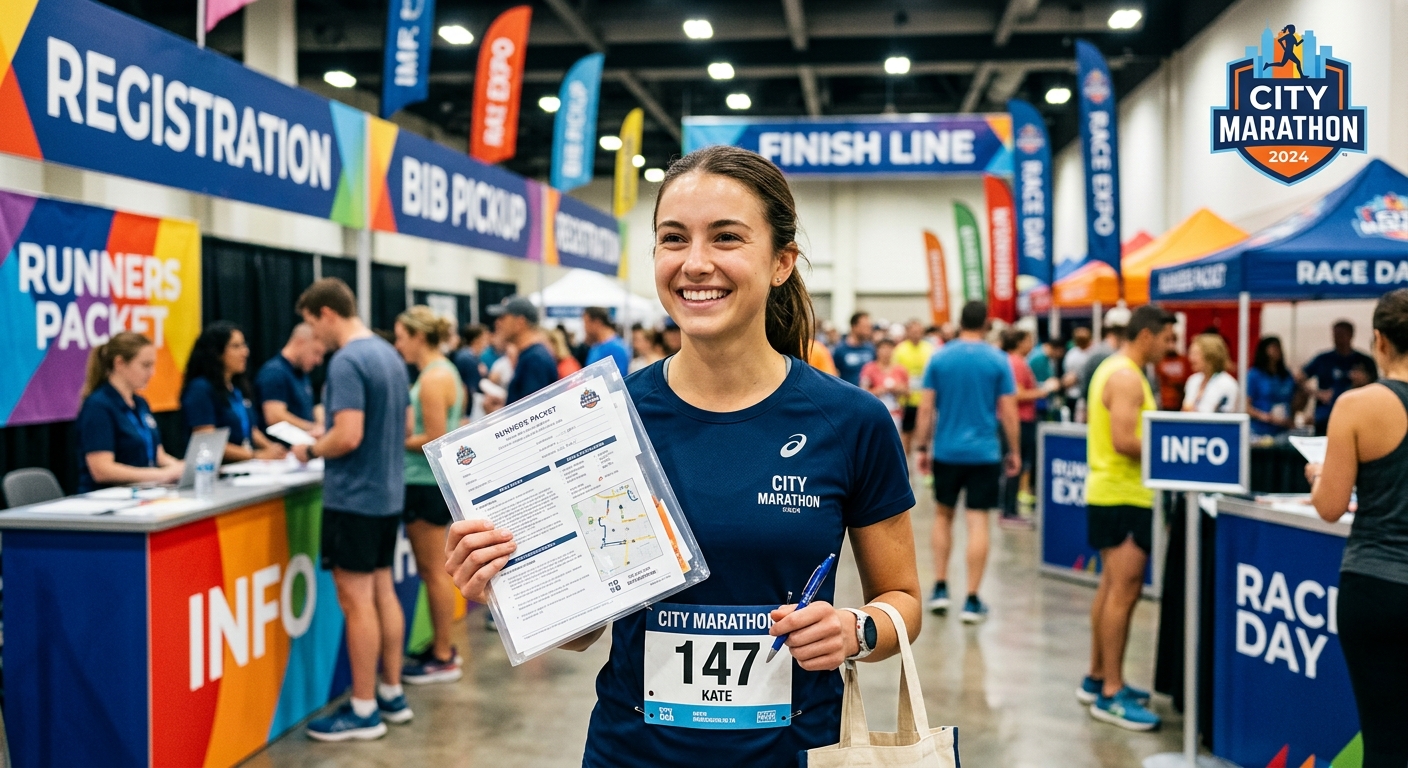
- Conference or race expo “exclusive deals” that follow you home
Most of these offers are worth taking. None of them require giving away ongoing inbox access.
What You Can Still Get Out of a Free Trial
A concern some runners raise is whether a burner address limits what they can do during the trial. In most cases, no. Once you activate the account, the platform does not care what address you used. You log in with it, you use the features, you make your decision.
GPS training platforms like those that offer structured coaching plans, heart rate zone analysis, and performance tracking are genuinely useful to test properly. Take the full trial period. Upload your workouts. Explore the premium features you are evaluating. The email address question is separate from the product question.
If you decide the app is worth paying for after the trial, you can always create a real account with your actual email at that point. You have lost nothing except the promotional emails from the trial period.
When to Use Your Real Email and When Not To
Not every running-related signup deserves a burner. Here is a reasonable filter:
Use your real email when:
- You are signing up for a race, because bibs and timing updates go there
- You are purchasing gear, because order and shipping confirmations matter
- You genuinely want ongoing communication from a brand or community
- The platform requires email for account recovery and you plan to use it long-term
Skip the real address when you are:
- Testing an app purely to evaluate it before committing
- Redeeming a one-time discount from a brand you may never buy from again
- Entering contests or giveaways where email capture is the whole point
- Signing up for a “free resource” that is clearly a lead magnet
The line is whether you expect and want a continued relationship with whoever is collecting the address. If the answer is no, the burner is the right call.
The Practical Side of Switching This Habit
If you have never used a temporary email service before, the first time feels slightly odd. You are used to email being persistent and tied to identity. A disposable address that vanishes feels unusual.
After the first time, it clicks. You realize how straightforward it is, and you start recognizing every signup form where you would previously have handed over your real address automatically without thinking. That awareness is genuinely useful.
The habit also scales. Once you are comfortable using a temporary address for app trials, you will use it for contest entries, newsletter-gated content, and any other form that asks for an email but does not need it to be real or lasting.
Keep Your Running Life Simple
Running is supposed to be the uncomplicated part of your day. You put on shoes, you go out the door, you come back. The tech layer around running, the apps, the platforms, the gear ecosystem, has added value but also added noise. An overloaded inbox from brands that got your address during a free trial is exactly the kind of noise that is easy to eliminate.
The trials are still worth taking. The gear discounts are still worth claiming. You just do not have to pay for them with your attention for months afterward. Use a temporary address, get what you came for, and leave the marketing funnel behind before it even starts.