Home>Running Events>What Runners Should Sort Out Before Any International Race
Running Events
What Runners Should Sort Out Before Any International Race
Published: September 20, 2026
Heading to Paris, Berlin, or Amsterdam to race? Here's everything to sort before you fly, from entry logistics to kit and staying connected.
Signing up for a European destination race is one of the most exciting decisions a runner can make. The problem is that the race itself is only a fraction of the effort. Getting there, staying connected, managing your kit within airline weight limits, and actually finding the start line in an unfamiliar city all require real planning. Do it right and the whole trip feels smooth. Leave it for the week before the flight and you’ll spend the days before your race stressed out instead of resting your legs.
International race prep starts weeks before the gun goes off. Sort these before you book anything else:
– Confirm your entry, travel, and accommodation as a package, not separately, so nothing clashes with race day logistics
– Pack your race kit first and build your luggage around it, not the other way around
– Get your phone connectivity sorted before you fly so you have data from the moment you land
Why European Destination Races Attract So Many International Runners
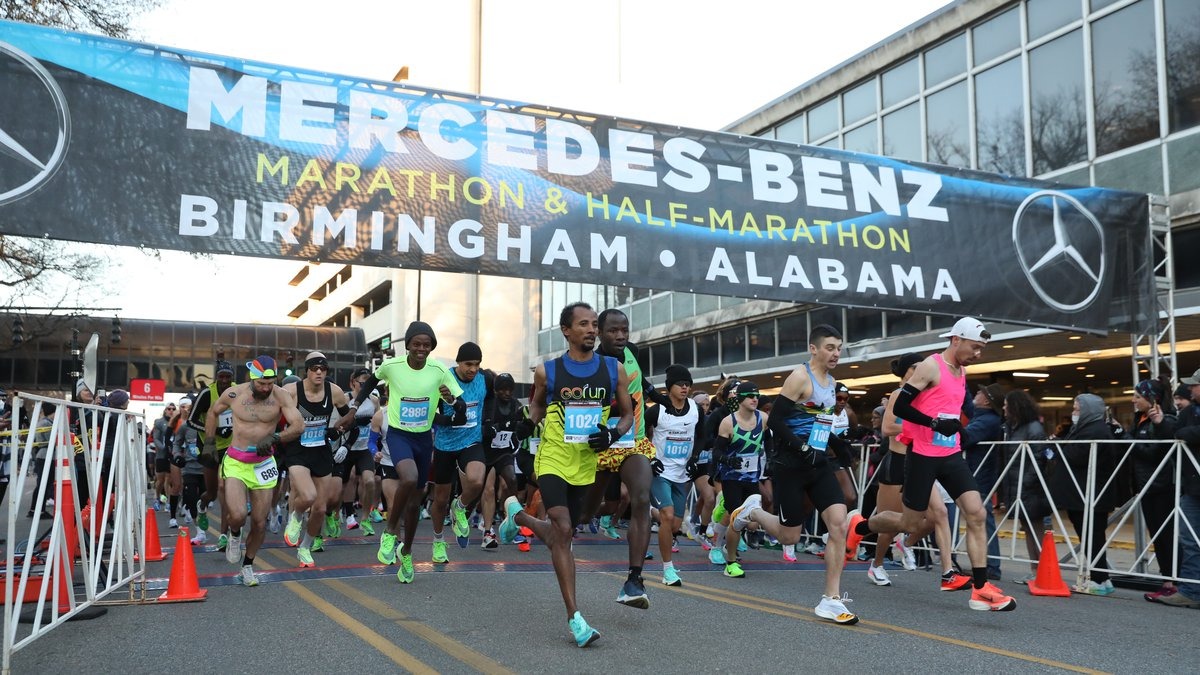
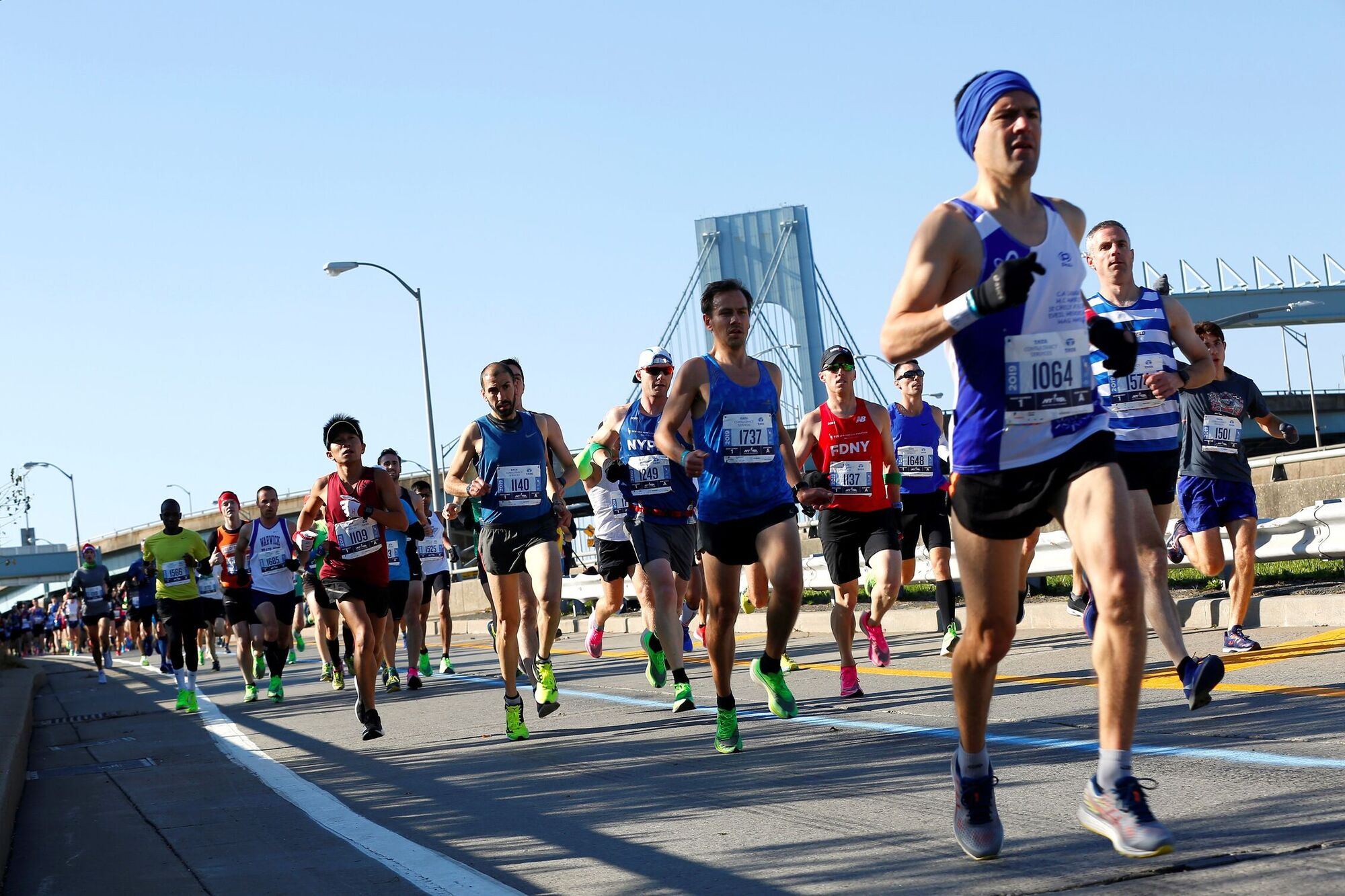
Events like the Paris Marathon, the Berlin Marathon, and the Amsterdam Marathon draw runners from every continent. Berlin alone regularly attracts over 50,000 finishers, making it one of the largest marathons on the planet. That scale is part of the appeal, but it also means accommodation fills up fast, transport gets complicated, and you cannot afford to wing the details.
What makes these races particularly special is the setting. Running through the centre of a major European city, past landmarks you’ve only seen in photographs, is an experience that goes well beyond the finish time. But the more iconic the race, the more logistical moving parts you have to manage. Understanding that early is what separates a great race trip from a chaotic one.
Locking In the Essentials: Entry, Flights, and Accommodation
The biggest mistake runners make is booking flights without checking the race calendar first, or securing the race entry without thinking about accommodation. These three things need to be treated as a single decision.
Here is the order that tends to work best:
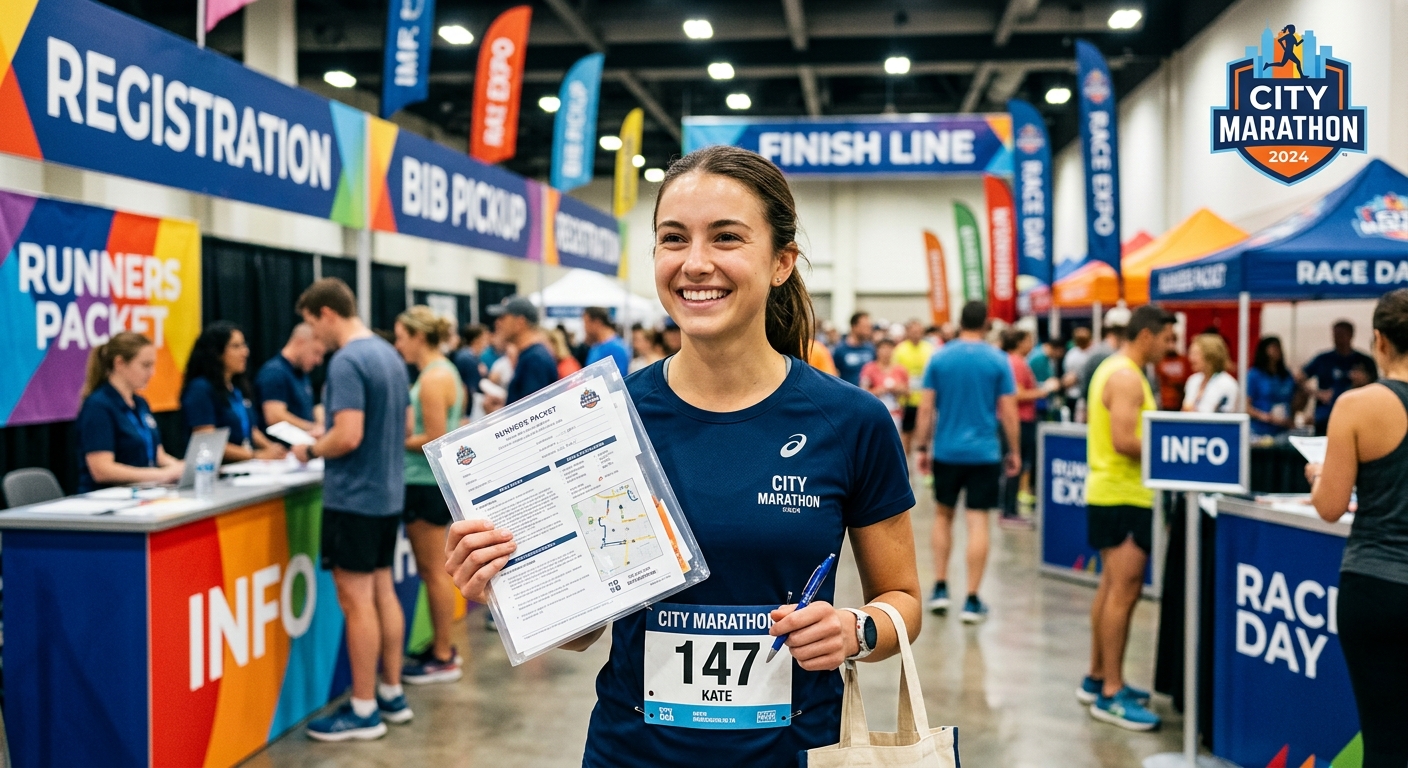
- Confirm your race entry through the official event website and note the exact expo dates for bib collection.
- Book accommodation within walking distance of the start zone, or with reliable metro access, before anything else sells out.
- Choose flights that arrive at least two full days before race day to allow for time zone adjustment and leg recovery.
- Look into the race village or athlete services area so you know what to expect on the morning itself.
- Register any kit bag drop or baggage service the race offers, as these often have separate sign-up processes.
- Set calendar reminders for any pre-race information sessions or mandatory briefings.
This order matters because accommodation near major city-centre race routes sells out months in advance. Runners who book flights first often end up staying far from the action and spending race morning in a taxi they should not need.
Packing Your Kit Without Losing Your Mind
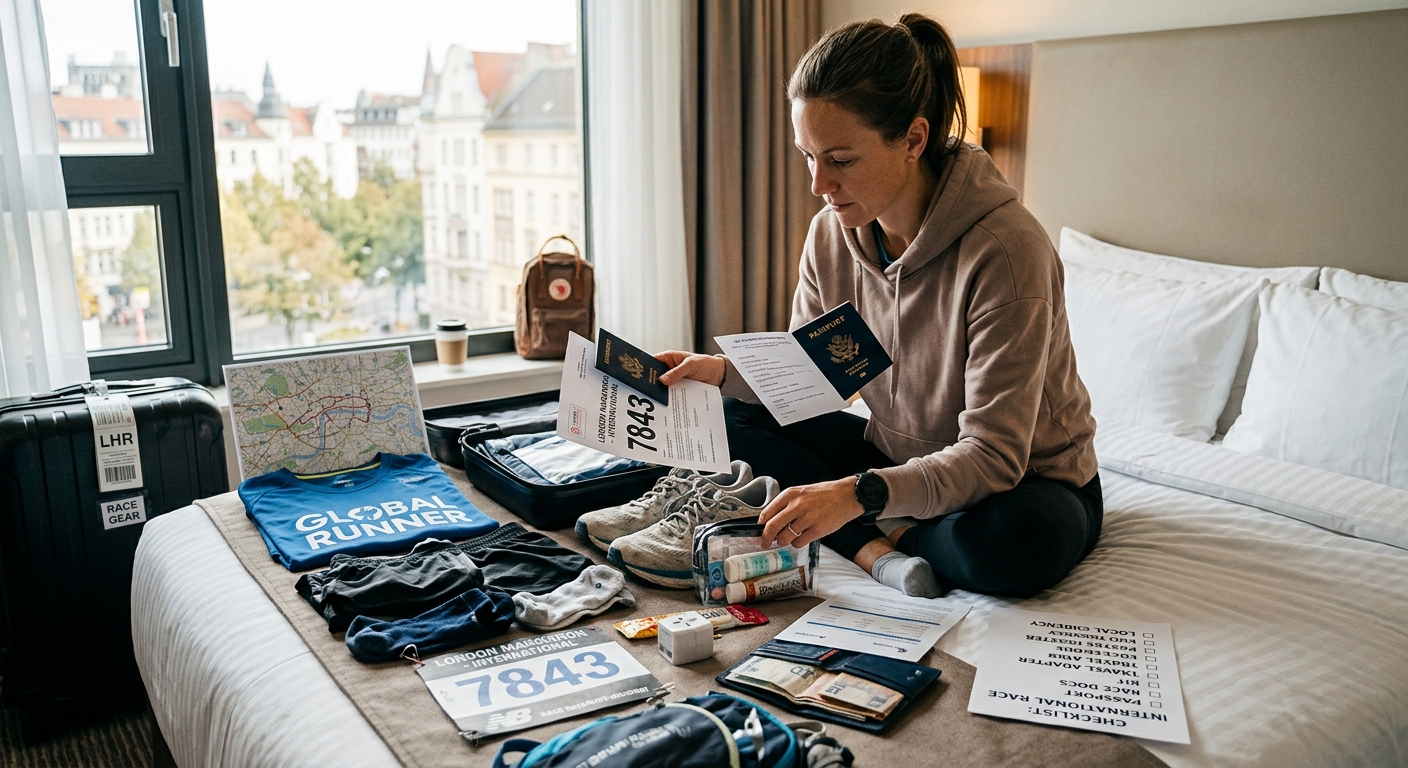
Airline baggage limits add a layer of pressure to race packing that most training plans do not prepare you for. The goal is to get everything your race depends on into your carry-on or at minimum to never check your actual race gear into the hold.
Your race shoes, your race kit, and your nutrition should travel in the cabin with you. Luggage gets lost. It gets delayed. It arrives two days after you do. If those things happen to your checked bag, you can replace a phone charger. You cannot replace the specific shoes your feet are trained in or the gels your stomach trusts.
Beyond the race day essentials, think in terms of layers and weight. European race weekends in spring can be cold at 7am and warm by 11am. A light throwaway layer for the start corral is worth carrying even if it adds a little bulk. Many runners pick up cheap layers at local charity shops when they arrive and leave them at the start line.
Foam rollers, massage guns, and heavy recovery tools rarely justify the luggage space for a short trip. Most European cities with major race events have physio services, foam rollers in gyms, and sports stores within easy reach of race expos.
Getting Data Sorted Before You Land
This one trips up more runners than almost anything else. You step off a transatlantic flight, you are tired, your phone is in airplane mode, and you have no idea how to get from the airport to your hotel because you assumed you would just sort the SIM situation out when you arrived. Do not do this to yourself.
The smarter move is to set up your connectivity before you leave home. A european eSIM lets you load a data plan onto your phone without swapping physical SIMs, which means you land with data already active. No queuing at airport phone shops, no hunting for a newsagent that sells SIM cards, and no spending the first hour of your trip offline when you most need maps and translation apps.
For runners specifically, having reliable data from the moment you land matters more than most travellers realise. You need navigation to the hotel, you need to check race day updates, and you need to coordinate with anyone travelling with you. Race weekends in major cities are busy and transport gets disrupted. Data is not a luxury on these trips.
Make Sure Your Handset Supports eSIM First
Before you purchase any eSIM plan, run a phone compatibility check to confirm your handset actually supports the technology. Not all phones do, and some that support eSIM have it locked by their carrier in certain countries. Checking this takes about two minutes and saves you a headache if you discover on the day of your flight that your setup does not work as expected.
Most flagship phones released in the last four years support eSIM, but mid-range models vary. If yours does not, a physical SIM from a local carrier upon arrival is still a solid option. Just plan for a bit more faff at the airport and consider downloading offline maps before you fly.
Understanding Race Morning Transport
Race organisers in Paris, Berlin, and Amsterdam are good at publishing transport guides, but runners often ignore them until the night before. Read them as soon as they are released.
Road closures during major marathons can make streets that look walkable on a map completely inaccessible by taxi or rideshare. Metro lines sometimes run early services on race morning but also hit capacity fast as thousands of runners converge on start zones. Knowing which station you need, which direction, and what time the corrals close is information worth having on Day 1 of your trip, not Day 3.
If you are running with a partner or group, agree on a meeting point that does not rely on phone signal, because congestion in start areas can kill connectivity even with a good data plan. A specific landmark, a gate number, or a fixed time and location works better than a live-location share.
The Paris Marathon route, for example, starts on the Champs-Elysees and the surrounding area becomes heavily restricted from the early hours of race morning. Runners who do not factor this into their transport plan often spend more energy stressing to the start line than they do running the race.
What to Do with the Days Between Arrival and Race Day
The two days before a race are not days off. They are active recovery days with a specific purpose: keeping your legs loose, staying off your feet as much as possible, and eating and sleeping well. Sightseeing is fine in moderation, but a city like Paris will tempt you into walking ten kilometres before you even notice.
Be intentional about how you spend those days. A short shakeout run is worthwhile. Walking for hours on cobblestones is not. Wear comfortable shoes everywhere. Prioritise sleep in a hotel with decent blackout curtains, especially if you are crossing multiple time zones.
Carbohydrate loading should follow whatever approach worked for you in training. Trying new foods the night before a race in a foreign city is one of the most common self-inflicted race-day mistakes. Find something familiar, even if it means a supermarket pasta instead of a restaurant meal.
The Start Line Is the Easy Part
Everything that happens before the gun is what makes a destination race go well or badly. Runners put months into their training and then underestimate the two weeks of logistics that sit between their last long run and their first kilometre in a foreign city. The race itself is the reward for getting all of this right.
Sort your entry, your accommodation, your kit packing, your connectivity, and your transport plan early. Give yourself buffer days. Check your gear works in conditions you will actually face. Get your phone data sorted before you leave so you land ready to go rather than scrambling. The race will still be hard. That is the point. But none of it should be harder than it needs to be because of something you could have handled from home two months earlier.