Home>Guides and Tips>What Runners Are Doing With AI Face Swap Tools After Race Day
Guides and Tips
What Runners Are Doing With AI Face Swap Tools After Race Day
Modified: July 29, 2026
Race photos are expensive and often unflattering. Here's how runners are turning grimace finish-line shots into shareable gold with AI face swap tools.
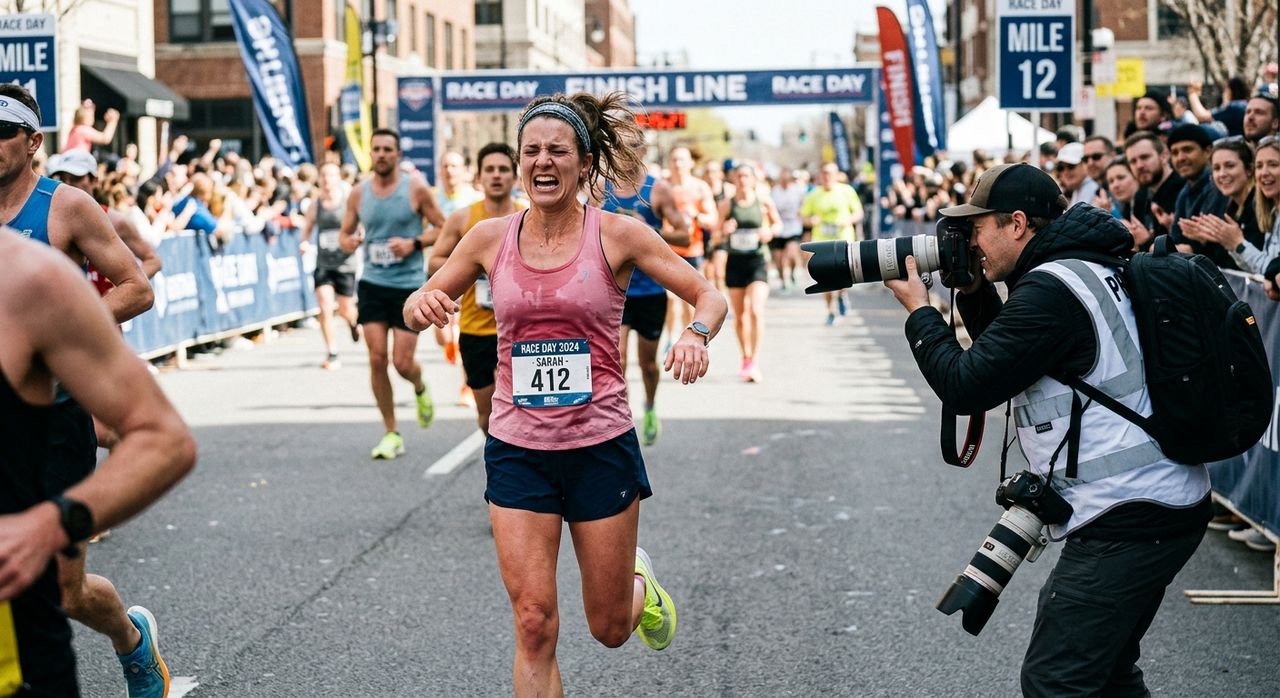
You trained for months. You crossed the finish line. You felt like an absolute warrior. Then the official race photographer’s email landed in your inbox, and the photo showed someone who looked less like a triumphant athlete and more like they had just been startled by a very loud noise. It happens to almost every runner, every single race. The good news is that a growing number of runners have figured out something quietly hilarious and genuinely creative to do about it.
Key Takeaways:
– Official race photos often cost a lot and rarely capture the moment the way it felt
– Runners are using a face swap tool to move their finish-line expression onto better, more flattering imagery
– Popular uses include motivational poster swaps, iconic race recreations, and running club group chat content
– Finished graphics are easy to polish using ready-made photo templates with no design background required
– The whole process takes minutes and produces content that actually gets shared
The Race Photo Problem Nobody Warns You About
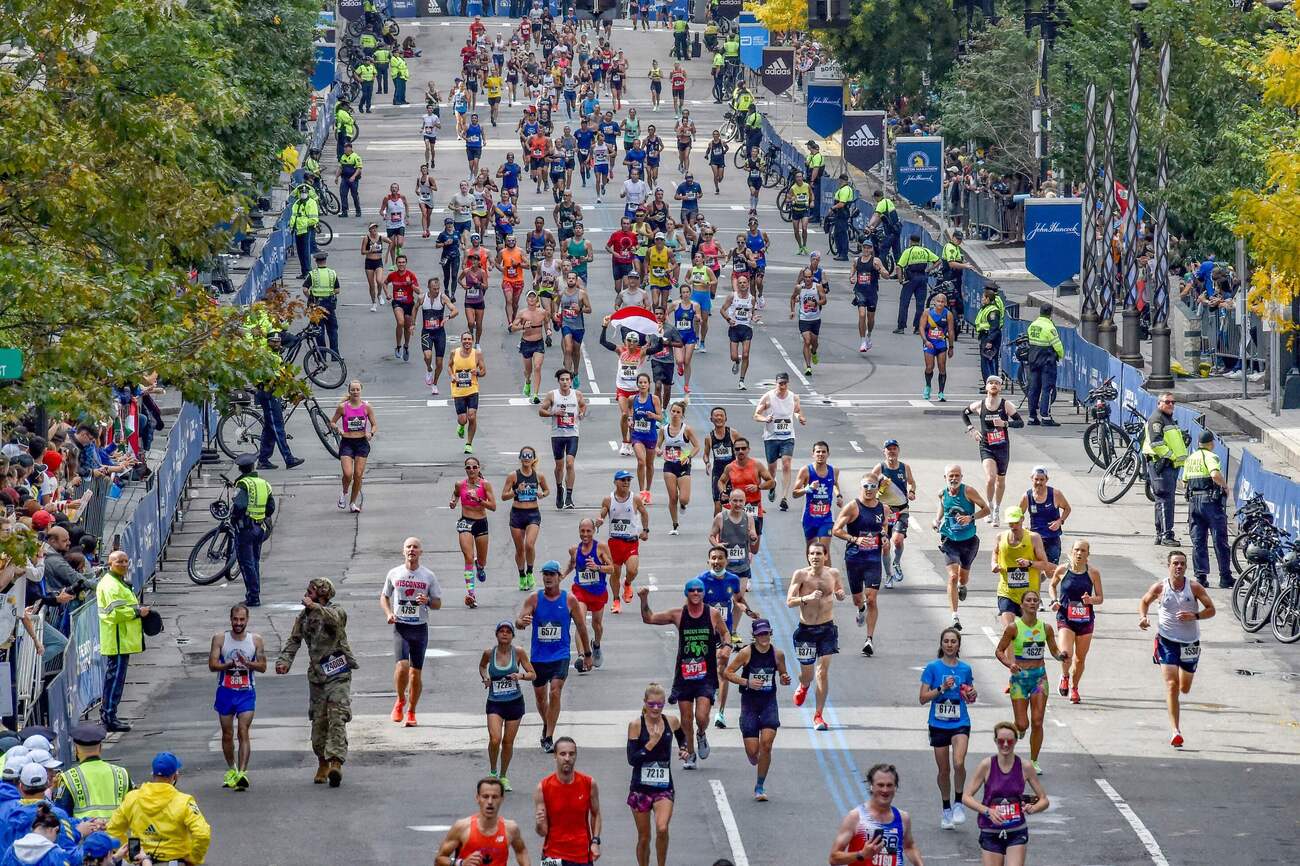
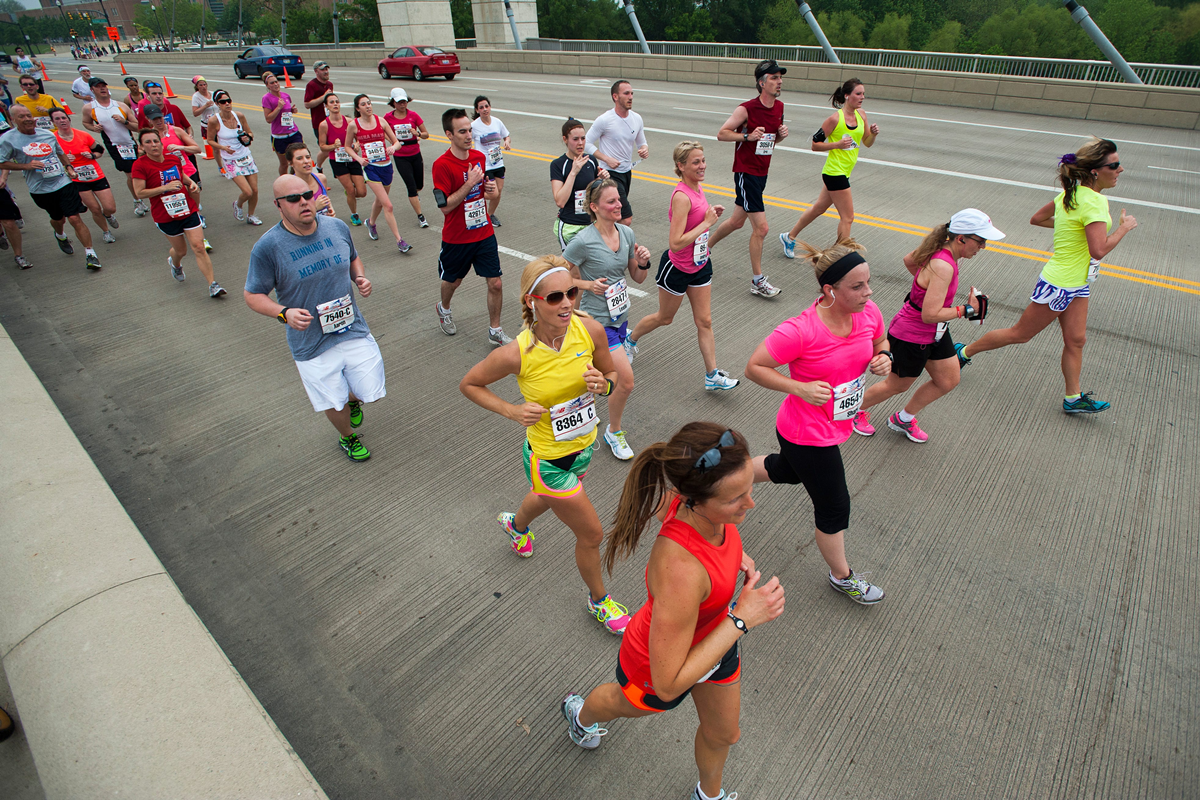
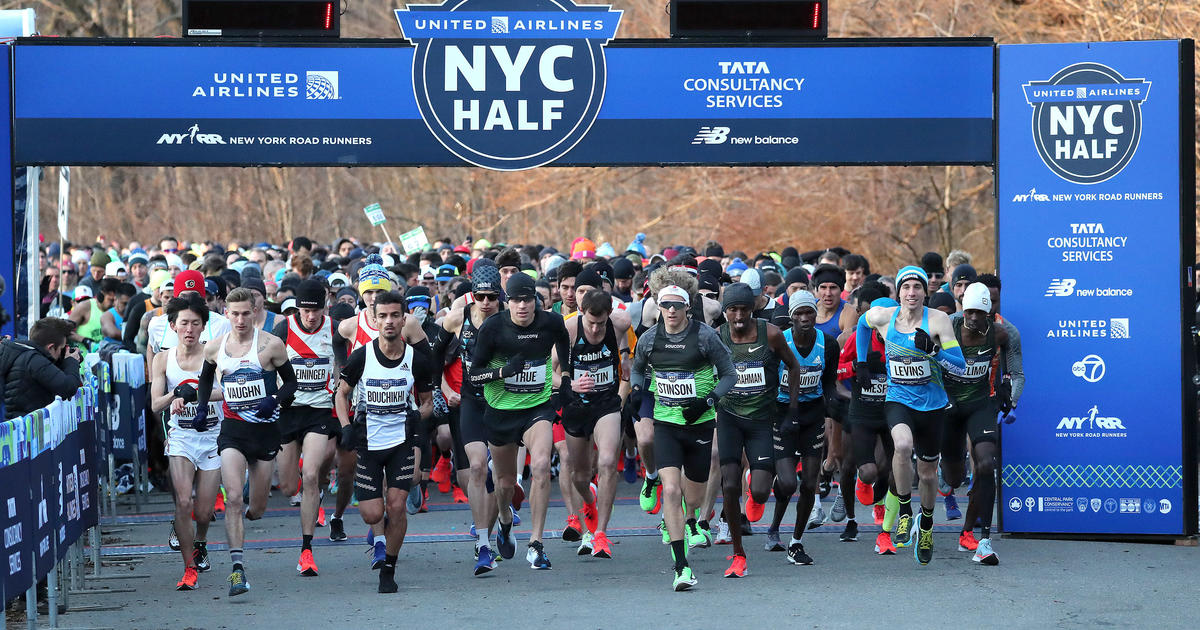
Race photography has been around almost as long as organized road racing itself. The marathon as a competitive event has attracted photographers at finish lines for decades, and the demand for personal race photos has grown into a sizeable industry. The problem is the business model. Photographers shoot thousands of runners and then charge per image, sometimes steep prices, for photos that are taken at random moments mid-stride.
You might get lucky. You might catch the photo where you look effortless and strong. Most runners, though, get the one where their mouth is half open, their eyes are somewhere between closed and confused, and their posture suggests they are trying to carry an invisible refrigerator. The photo is technically of you. It just does not look like the version of you that finished a race and felt proud of it.
This is where things get creative.
What a Face Swap Actually Does
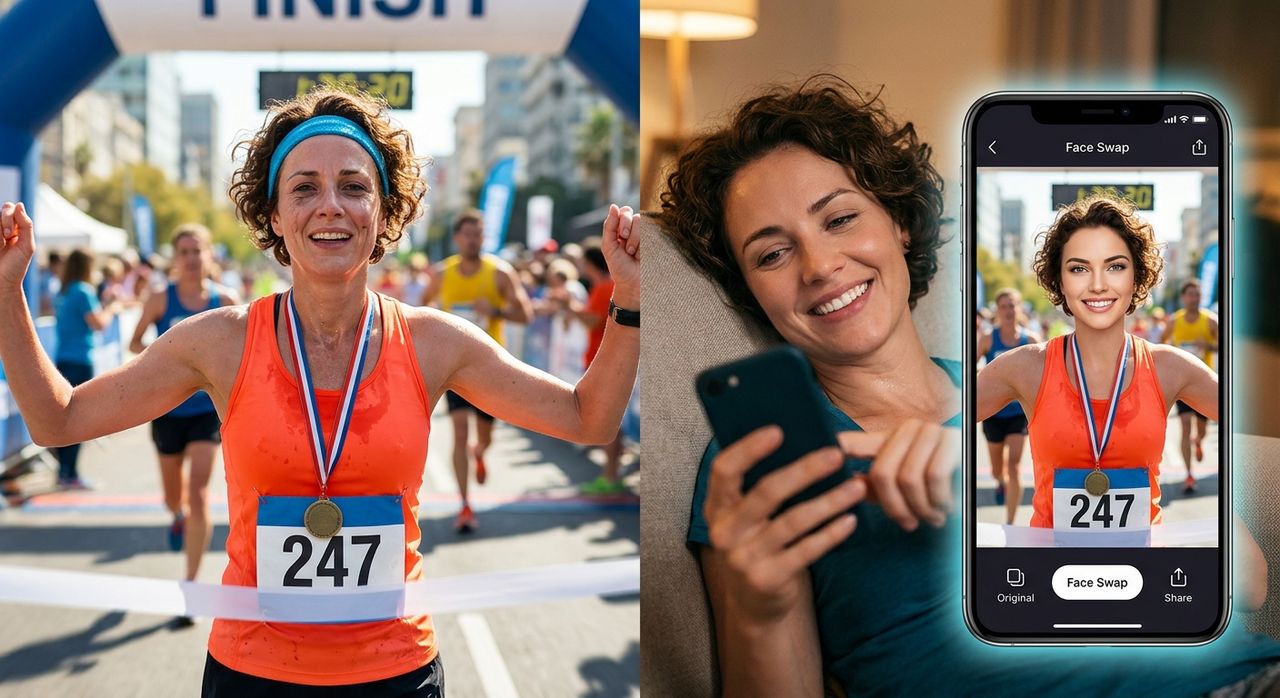
The concept behind face swapping technology is straightforward. Using AI-powered tools built on deepfake techniques adapted for consumer use, the software detects a face in one photo and places it naturally onto a different image. The lighting, angle, and skin tone adjustments happen automatically. The result looks like a real photo rather than an obvious paste job.
Runners have started using this to do something clever. They take the face from their race photo, specifically the expression of genuine effort and emotion at the finish, and swap it onto a completely different image. The background might be better. The posture might be better. The lighting might be better. The race bib is gone and suddenly the shot looks like something you would actually want to send to your family.
The Three Things Runners Are Actually Doing With It
Once you understand what the tool does, the creative ways runners are putting it to use start to make a lot of sense.
Putting the finish-line face on motivational poster imagery
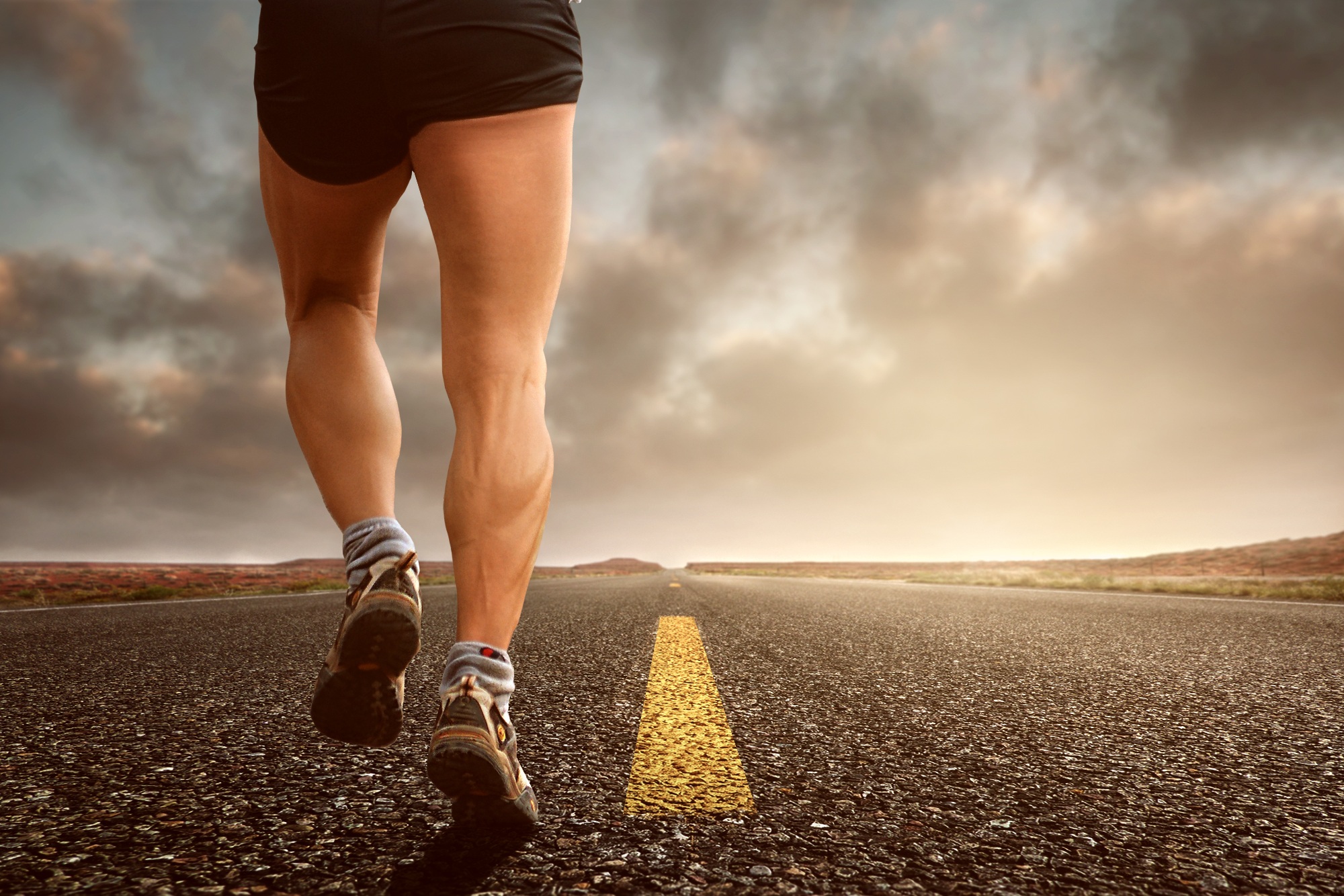
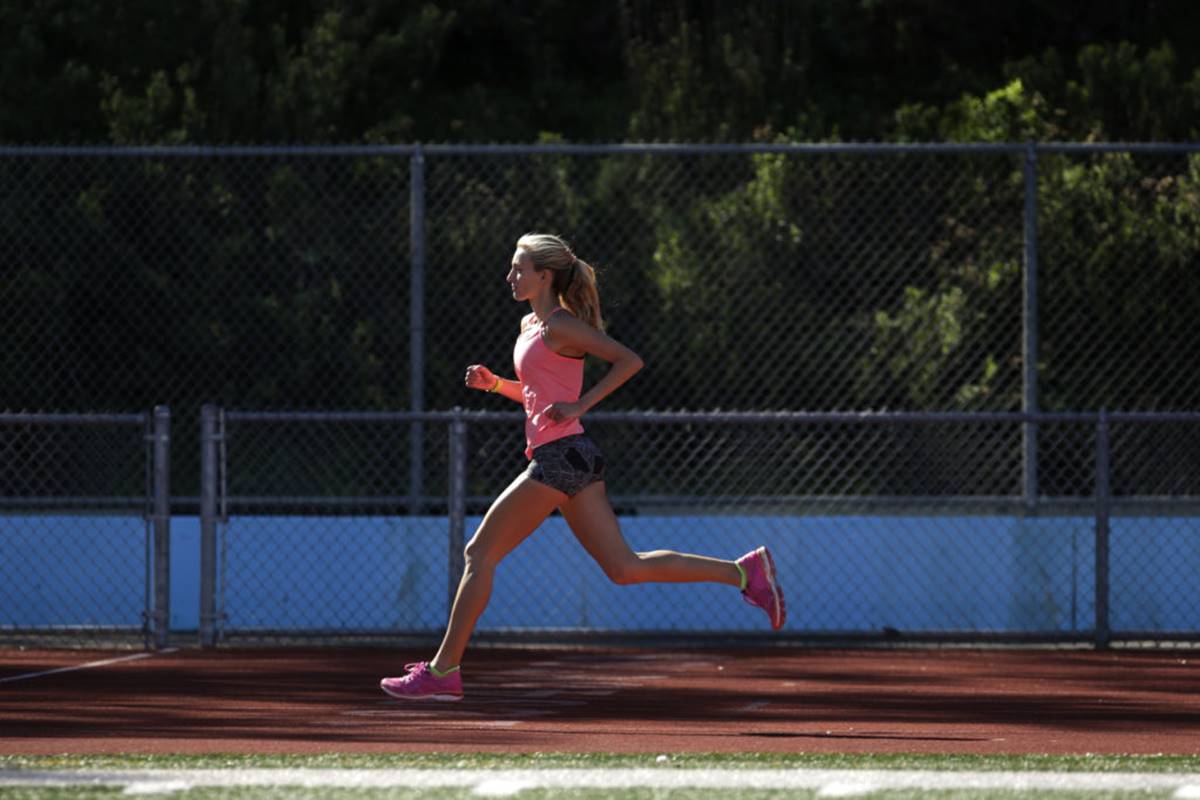
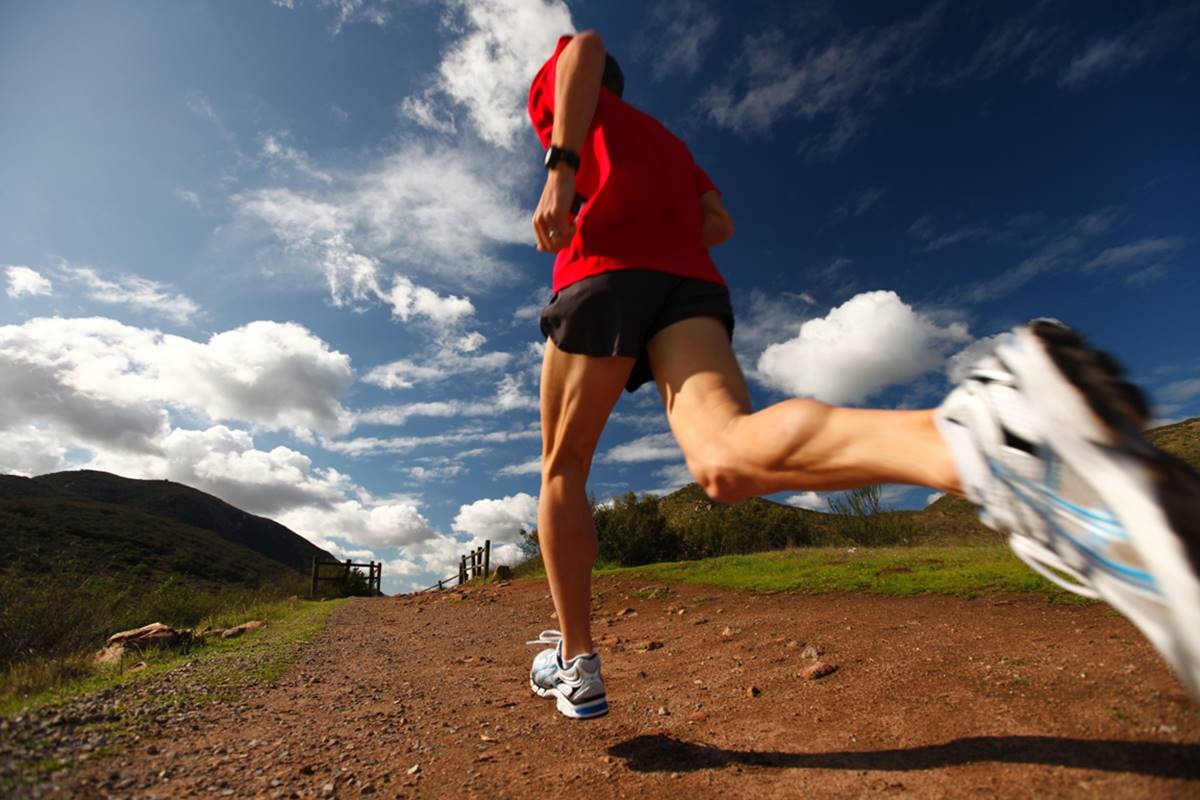
There is a whole genre of running motivation imagery online. Strong silhouettes against sunrise skies. Perfect form mid-stride. Triumphant arms raised at the tape. Runners are taking these polished stock images and swapping in their own face to create something that feels personal. You end up with a finished photo that looks like it belongs on a training poster, except the face in it is actually yours, wearing the exact expression you had after running your hardest.
Recreating iconic race moments for laughs
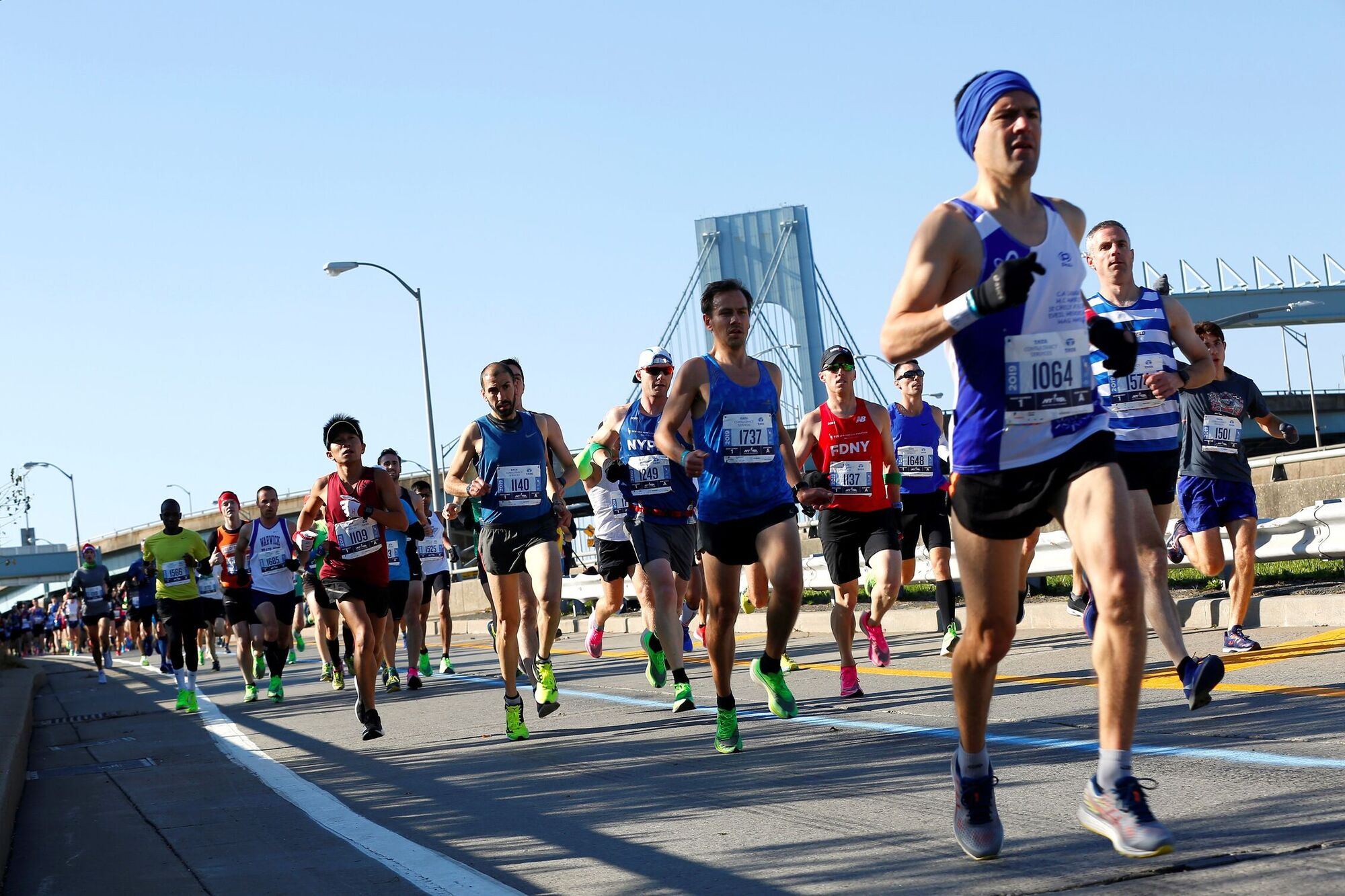
This is the version that tends to go viral in group chats. Someone finds a photo from an iconic finish, a famous marathon, a classic race scene, or even a podium shot from a major event, and drops their face into it. The comedy usually lands because the swap is convincing enough to look almost real, but the context is obviously absurd. Your face on the body crossing a finish line you were not actually at tends to get a strong reaction from your running group.
Creating content for running clubs
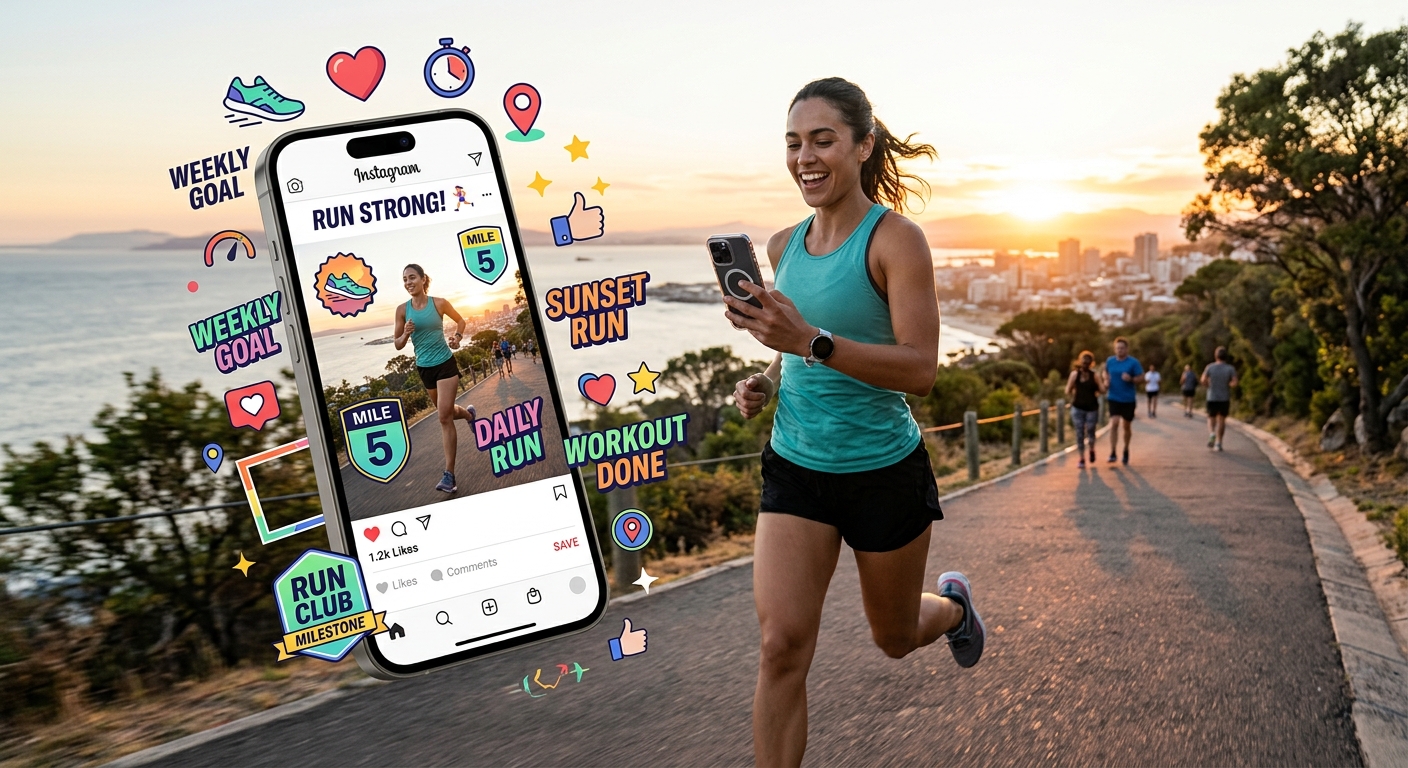
Running clubs have active group chats, social media pages, and club newsletters that always need fresh content. A runner who places their own face on a training meme, a motivational quote graphic, or a themed seasonal post has something shareable that the whole club can enjoy. It is personal enough to get attention and light enough to start a conversation.
Why It Works So Well for This Particular Use Case
Running is emotional. The finish line represents something real for most runners, whether it is a first 5K or a full marathon personal best. The frustration with race photos comes from the gap between how the moment felt and how the photo looks. Face swap tools help close that gap in a way that is playful rather than pretentious.
Nobody is trying to fake an achievement they did not earn. The face in the swap is the real face from the real race. It is just being moved somewhere it looks better or placed in a context that is funnier. That distinction matters and is part of why runners seem to embrace this use case so enthusiastically rather than feeling strange about it.
Turning the Swap Into a Finished Graphic
Getting a good face swap is only the first step. The raw result is usually a JPEG or PNG that still looks like something you grabbed off the internet. What makes the difference between a swap that sits in your camera roll and one you actually share is finishing it properly.
This is where ready-made design resources help runners with zero graphic design experience. A good set of polished photo templates gives you pre-built layouts for social sharing, motivational quote graphics, and club content formats. You drop your swapped image in, adjust the sizing, add a line of text if you want one, and export something that looks like it was made by someone who knows what they are doing. The whole process takes about as long as it took you to stretch after your last long run.
What to Keep in Mind
A few things worth noting before you get started.
- Use photos where the face is clearly visible and well-lit, since blurry or heavily shadowed source images produce messier results
- Results look most natural when the head angle in your source photo roughly matches the angle in the target image
- Keep the final output lighthearted and clearly non-deceptive when sharing publicly, since context matters
- Running club posts tend to land better when you caption the swap so the joke is obvious
- Check platform guidelines if you plan to post on a race’s official event page, since some organizers have policies around photo modifications
The Finish Line You Actually Want to Remember
Race photography will probably always be a bit of a gamble. You pay your entry fee, you train, you show up, and whether the photographer catches you at the right half-second is entirely out of your hands. But what you do with the photo afterward is completely up to you. Runners who have started playing with these tools are not complaining about bad race shots anymore. They are turning them into group chat gold, into motivational graphics they actually hang onto, and into the kind of content that keeps a running club’s social feed actually interesting. The grimace is still there. It just has a much better home now.