Home>Running Culture>Culture>What Your Fitness Apps Are Giving Away About You While You Run

Culture
What Your Fitness Apps Are Giving Away About You While You Run
Published: August 9, 2026
Your GPS watch and Strava account share more than your route. Here's what leaks during a typical training week and how to protect yourself.
Most runners spend serious money on their gear. The right shoes, a solid GPS watch, a good foam roller. But ask those same runners how much thought they give to their digital security between training sessions, and the answer is usually a shrug. The truth is, a typical week of logging miles, registering for races, and browsing training plans leaks more personal data than most people realize, and the exposure happens quietly, in the background, while you are just trying to get faster.
Privacy Check:
1. GPS fitness apps collect precise location data that can reveal your home address, your daily routine, and your work schedule.
2. A VPN does not automatically protect you, because DNS and WebRTC leaks can expose your real IP even when the VPN appears to be on.
3. Browsers build a detailed profile of your device without using cookies, making standard privacy settings less protective than they seem.
The Data Trail Starts Before You Lace Up
Before you even step out the door, your fitness app is already busy. You open Strava to check yesterday’s splits. You log into a race registration portal to confirm your bib pickup time. You scan a training forum for advice on your tempo pace. Each of these actions generates data, and that data flows through your internet connection, touching servers, ad networks, and third-party trackers you never agreed to interact with.
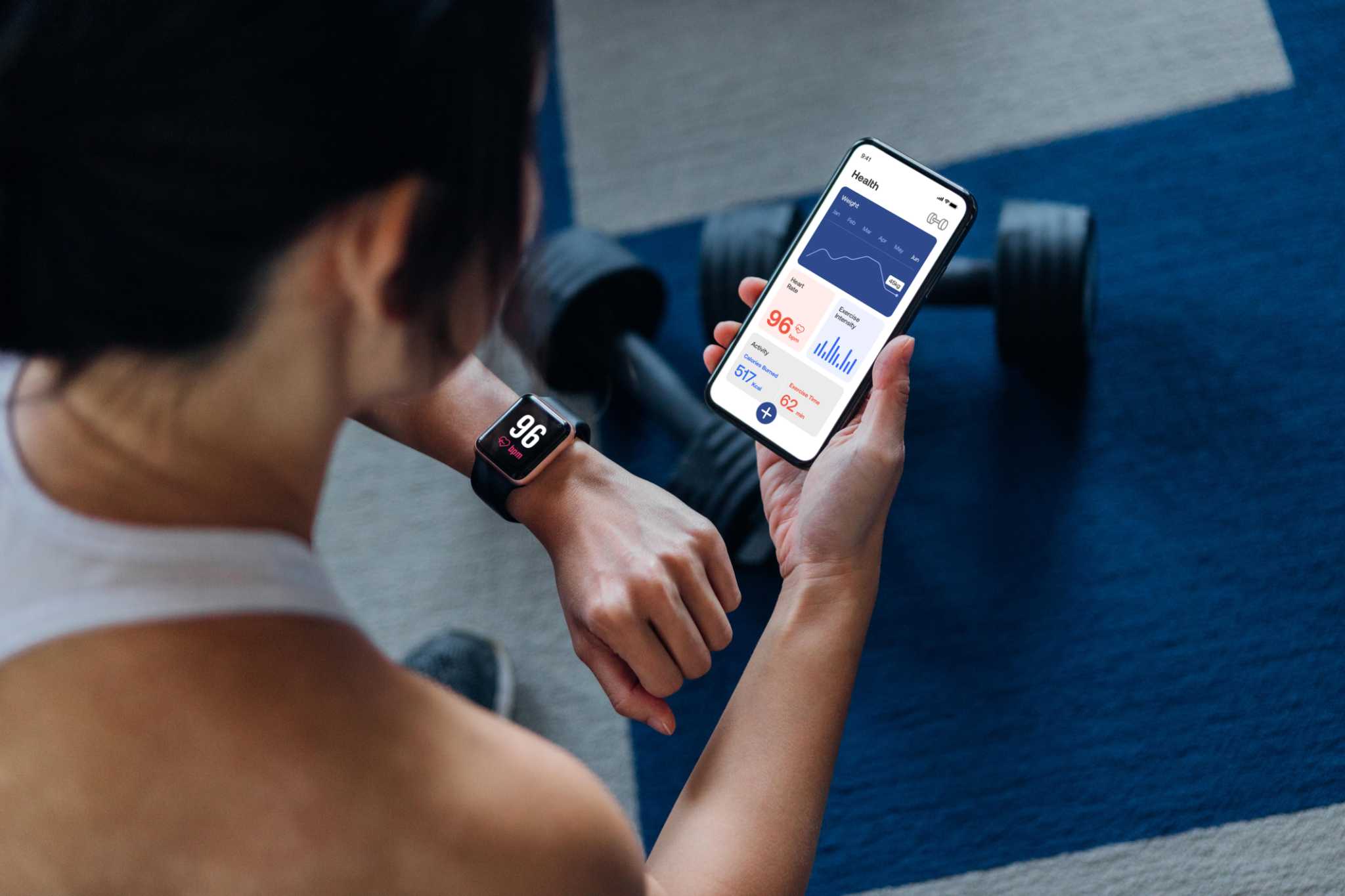
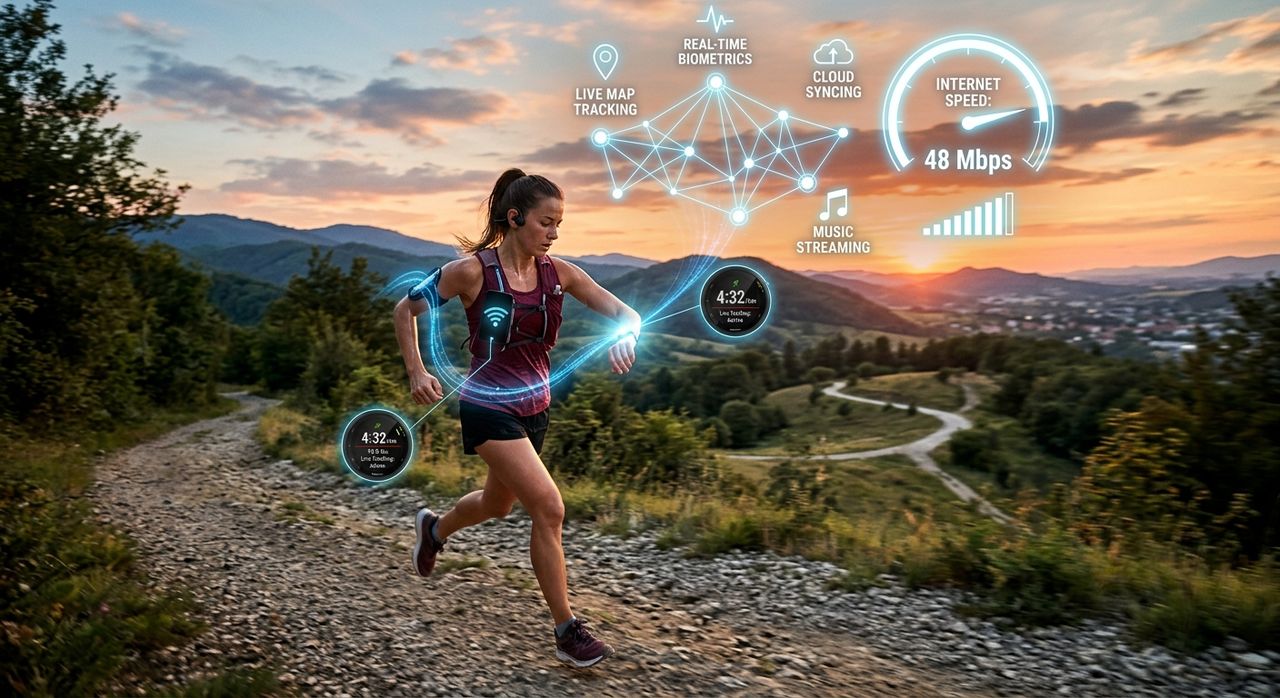
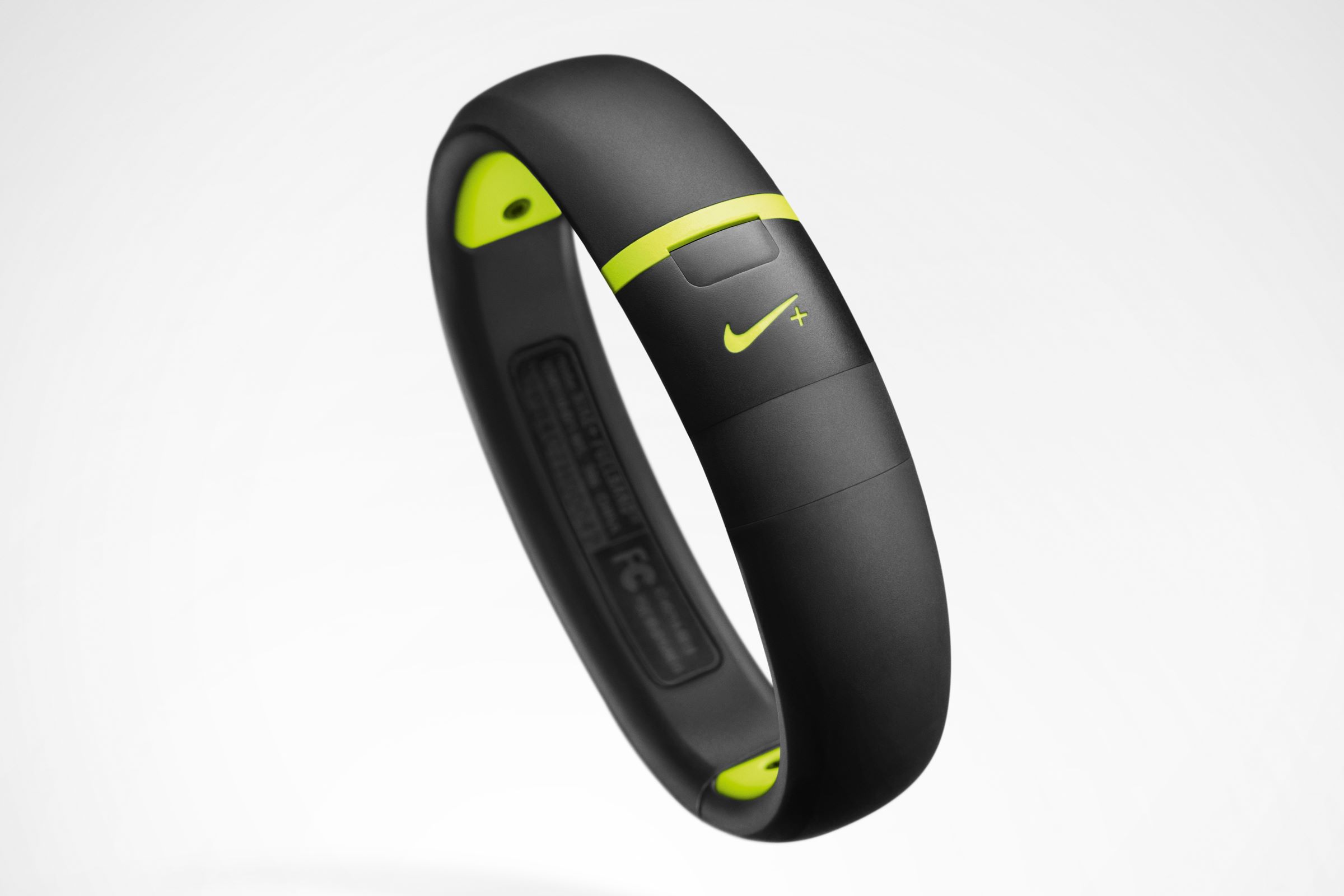
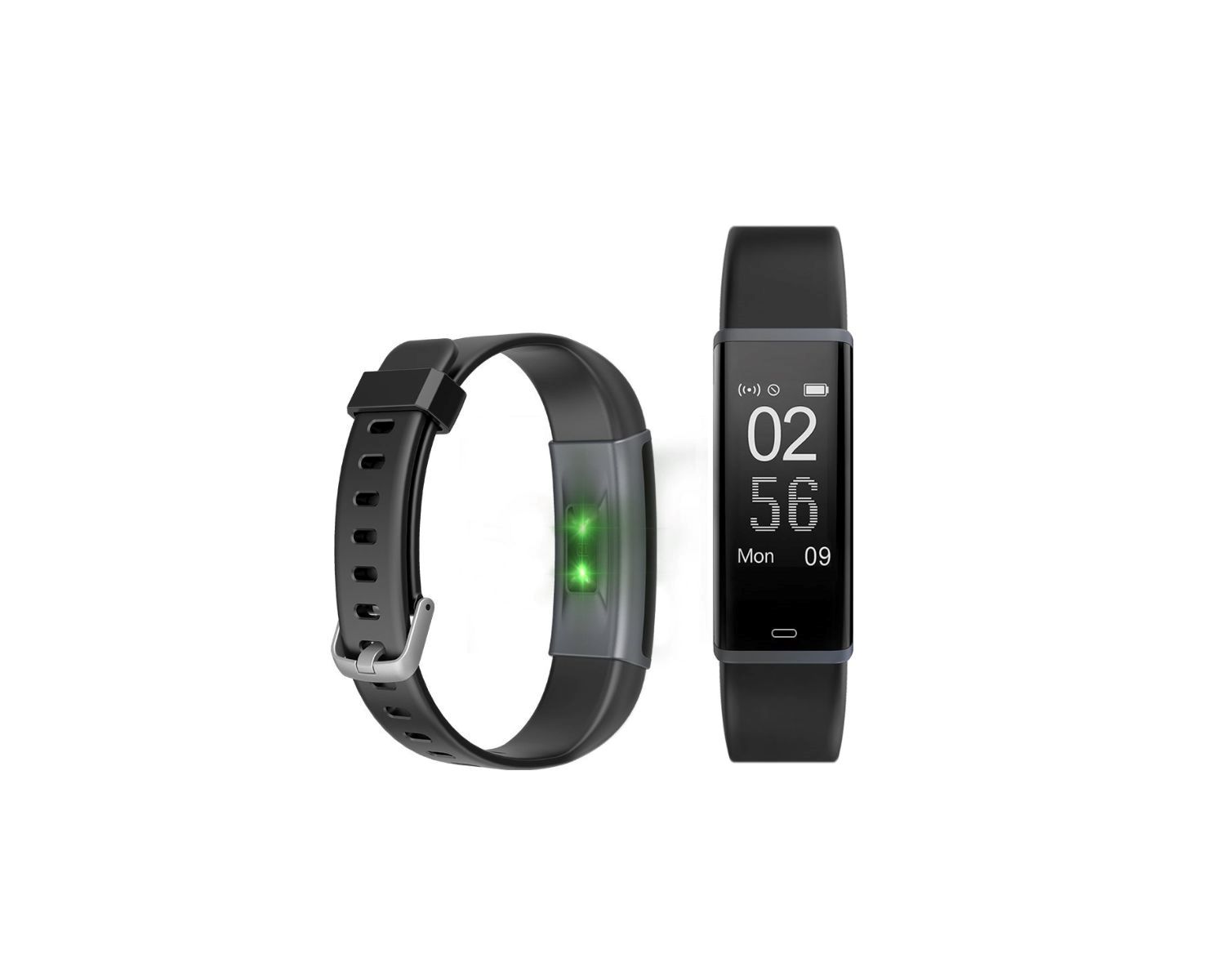
Your GPS watch is the most obvious data collector. It records your exact route, your start time, your finish time, your pace per mile, and your heart rate. When that data syncs to an app on your phone or uploads to a cloud platform, it travels across a network. The app provider stores it. Advertisers may license access to it. And in some cases, as researchers and journalists have demonstrated, aggregated GPS data from fitness apps can reveal the locations of sensitive facilities and the routines of the people who use them.
This is not a theoretical risk. In 2018, a student researcher pointed out that Strava’s global heatmap, built from user activity data, was making the patrol routes of military personnel visible in conflict zones. The data was anonymized in theory, but in practice, it was readable enough to reconstruct individual behavior. If fitness data can expose military movements, it can certainly tell an advertiser, a data broker, or a curious third party a lot about an ordinary runner’s life.
What a Typical Training Week Actually Reveals
Think through what happens during a normal week of running activity online.
You register for an upcoming half-marathon. That portal now holds your name, email address, phone number, date of birth, emergency contact, and payment information. Most race registration platforms are run by third-party providers, not the race itself, so your data lives on infrastructure you know nothing about.
You post a run to a social fitness platform. Even with your account set to private, the platform still has your GPS data. The route you run most mornings probably starts and ends at your front door.
You look up running shoe reviews or compare GPS watches. Now your browsing history, collected by advertising trackers embedded in those review sites, associates your device with running-related purchasing intent. That profile follows you across the web.
You visit a forum to ask about marathon training plans. Depending on the forum’s ad setup, that visit is logged by multiple third-party scripts before the page finishes loading.
None of these individual actions sounds alarming. Put them together across a week, and they paint a detailed picture of where you live, what your schedule looks like, what you buy, and what you care about.
The VPN Problem Most Runners Miss
A lot of privacy-conscious runners already use a VPN. That is a reasonable first step. But a VPN creates a false sense of security if it is not actually working the way you think it is.
VPNs can leak in two main ways. The first is a DNS leak, where your device sends domain name queries through your regular internet connection instead of through the encrypted tunnel. The second is a WebRTC leak, where your browser exposes your real IP address directly to web applications, bypassing the VPN entirely. Both types of leaks can happen silently, without any visible indication that something has gone wrong.
The only way to know if your VPN is actually holding is to run a VPN leak test while connected. If your real IP or your real DNS provider shows up in the results, the VPN is not doing what you think it is doing. This is worth checking periodically, not just when you first set the VPN up, because software updates, network changes, and configuration issues can all introduce new leaks over time.
How Browsers Build a Profile Without Cookies
Even if you clear your cookies regularly, there is another profiling mechanism most runners have never heard of. It is called browser fingerprinting, and it works by collecting a combination of technical details about your device and browser, things like your screen resolution, installed fonts, time zone, graphics rendering behavior, and hardware configuration. According to research on device fingerprinting, the combination of these attributes can be unique enough to identify a specific device reliably, even across different browsing sessions.
This matters for runners because the fitness and health space is particularly aggressive about tracking. Race registration sites, running gear retailers, and health platform partners all use fingerprinting techniques to follow users who have blocked cookies or opted out of conventional ad tracking.
You can see what your own setup reveals by checking your browser fingerprint. The results will show you how unique your browser looks to trackers, and whether switching browsers or adjusting settings would meaningfully reduce your exposure.
The Apps That Know More Than Your Coach Does
GPS watches and running apps have become remarkably capable. That capability comes with a data cost that most users accept without reading the fine print.
Here is what a modern fitness platform typically collects and stores:
- Your precise GPS coordinates for every run, including the exact path through your neighborhood
- Your resting heart rate, sleep data, and recovery metrics if you wear the device overnight
- Your personal bests, training load, and performance trends over months or years
- Your social connections, if you follow or are followed by other users on the platform
- Device identifiers that link your fitness data to your phone or watch hardware
Some of this data is what makes the apps useful. Real-time GPS tracking is why you bought the watch. But when you give a company that data, you are trusting their security practices, their data retention policies, and their commercial incentives, all at once. Not every running app has a clean record on any of those fronts.
Race Registration Sites and the Data You Hand Over
The race registration industry is worth paying specific attention to. Runners hand over more sensitive data to race portals than to almost any other type of website.
A standard race sign-up form typically requires:
- Full legal name
- Date of birth
- Gender
- Emergency contact name and phone number
- Medical conditions or allergies, for larger events with medical staff
- Payment card details
- Email and mailing address
That is more personal information than many financial apps request. And unlike a bank or brokerage, a regional race registration platform may not have a dedicated security team or a mature incident response plan. Data breaches in the event registration space have happened, and they tend to receive less coverage than breaches at larger companies.
The practical takeaway is to use a dedicated email address for race registrations, check whether the platform is a major provider with a public privacy policy, and pay with a virtual card number if your bank or credit card offers that feature.
Securing Your Running Life Online
The gap between how runners protect their physical performance and how they protect their digital activity is real. Most serious runners track their sleep, their nutrition, their weekly mileage, and their injury history. Very few apply the same rigor to the data they hand over to apps, platforms, and trackers.
The goal is not to stop using GPS watches or fitness apps. The goal is to understand what those tools collect and to make deliberate choices about what you share and with whom.
Research from privacy and security academics has consistently shown that fitness and health data is among the most sensitive categories of personal information, because it reveals patterns about where you are and when, which is exactly the kind of behavioral data that is most valuable to advertisers and most useful to anyone trying to track your movements.
That does not mean you need to run without a watch. It means you should know what your watch is doing with the data it collects, whether your VPN is actually functioning, and what your browser is revealing without your knowledge.
What Your Data Reveals When You Cross the Finish Line
Running is a physical practice, but the digital layer around it has grown thick and complex. Your fitness apps know your routes. Your race portals know your birthday and your emergency contacts. Your browser knows your device configuration and hands it to anyone running a tracker script. And your VPN, if you use one, may or may not be protecting you as well as you assume.
The runners who take privacy seriously are not the ones who delete all their apps and go back to paper logs. They are the ones who run their regular checks, read what they are agreeing to, and stay aware of what their setup is actually doing.
That awareness takes about the same amount of time as a good warmup. Which, if you are already a runner, is well within your capacity.