Home>Health and Wellness>Health>Cognitive Benchmarks Every Runner Should Test Before Their Next Race

Health
Cognitive Benchmarks Every Runner Should Test Before Their Next Race
Published: August 3, 2026
Most runners train legs and lungs but skip the brain. These cognitive benchmarks reveal how your nervous system holds up under race-day pressure.
Cognitive Benchmarks Every Runner Should Test Before Their Next Race
You can log a hundred miles a month, dial in your nutrition, and sleep eight hours a night. But if your nervous system checks out the moment the starting gun fires, you are leaving time on the course. Cognitive fitness is the training variable most runners never think about, and it may explain why two athletes with identical 5K paces can finish minutes apart on race day.
Key Points:
1. Your reaction time at the starting gun is measurable, trainable, and more relevant to race performance than most runners realize.
2. Trail runners who build visual memory can read terrain faster, cutting both fall risk and the mental drain of navigating technical ground.
3. Off-track cognitive benchmarks give you a playful way to track how your brain performs across different kinds of stress.
Why Milliseconds Matter at the Starting Gun
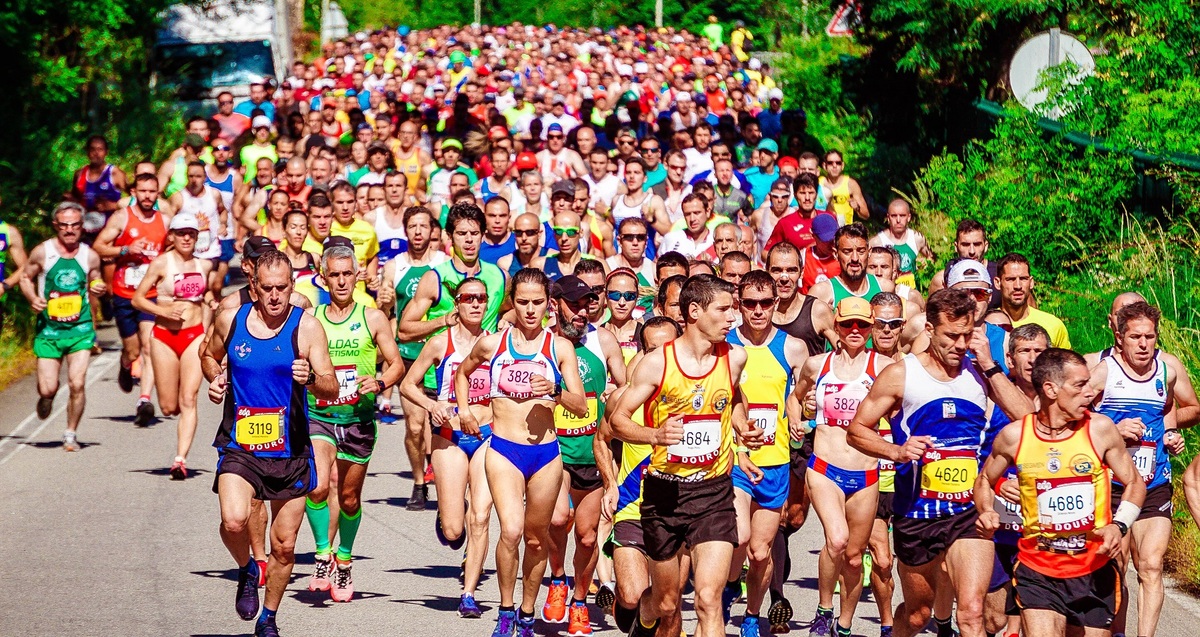
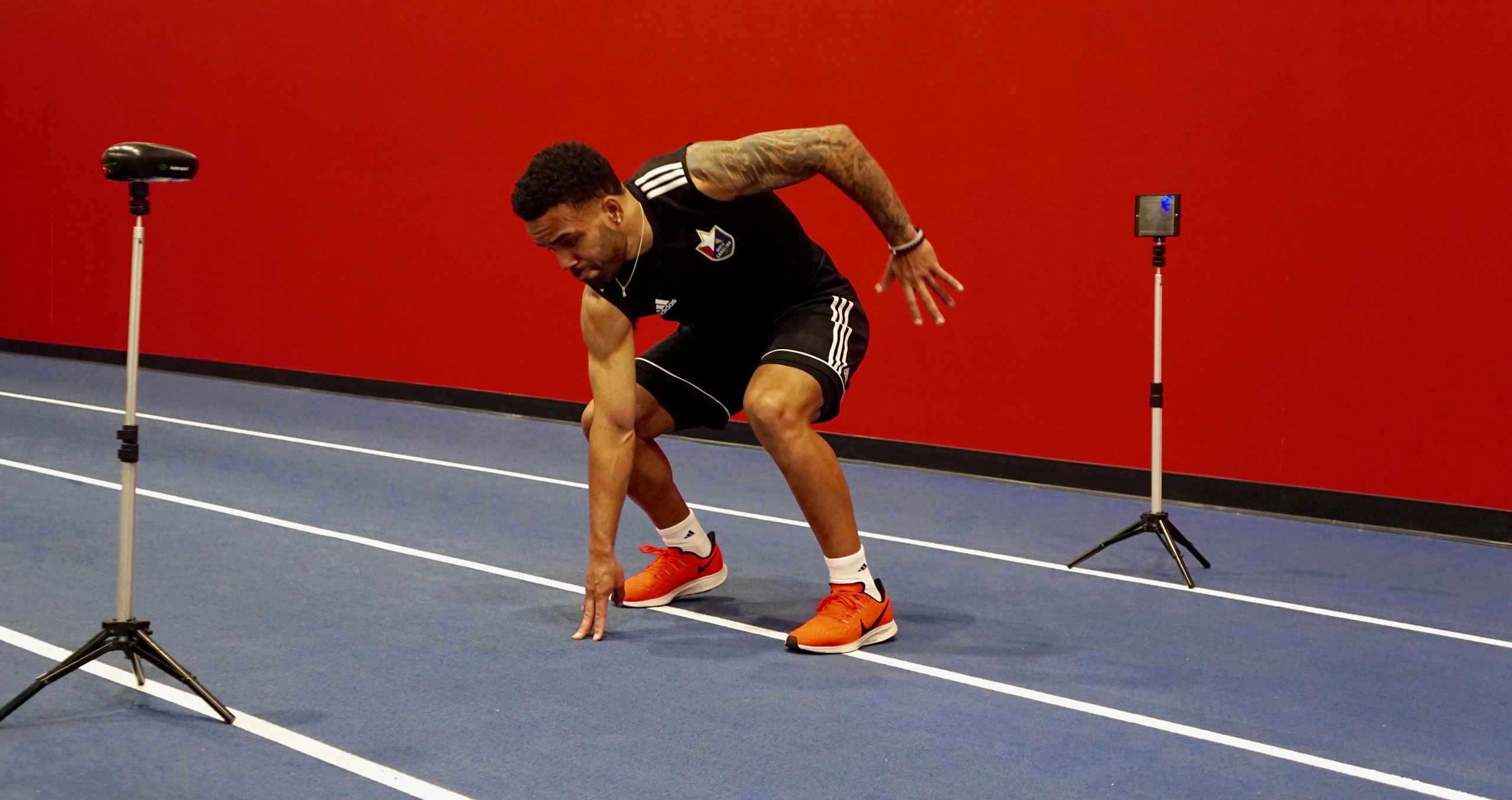
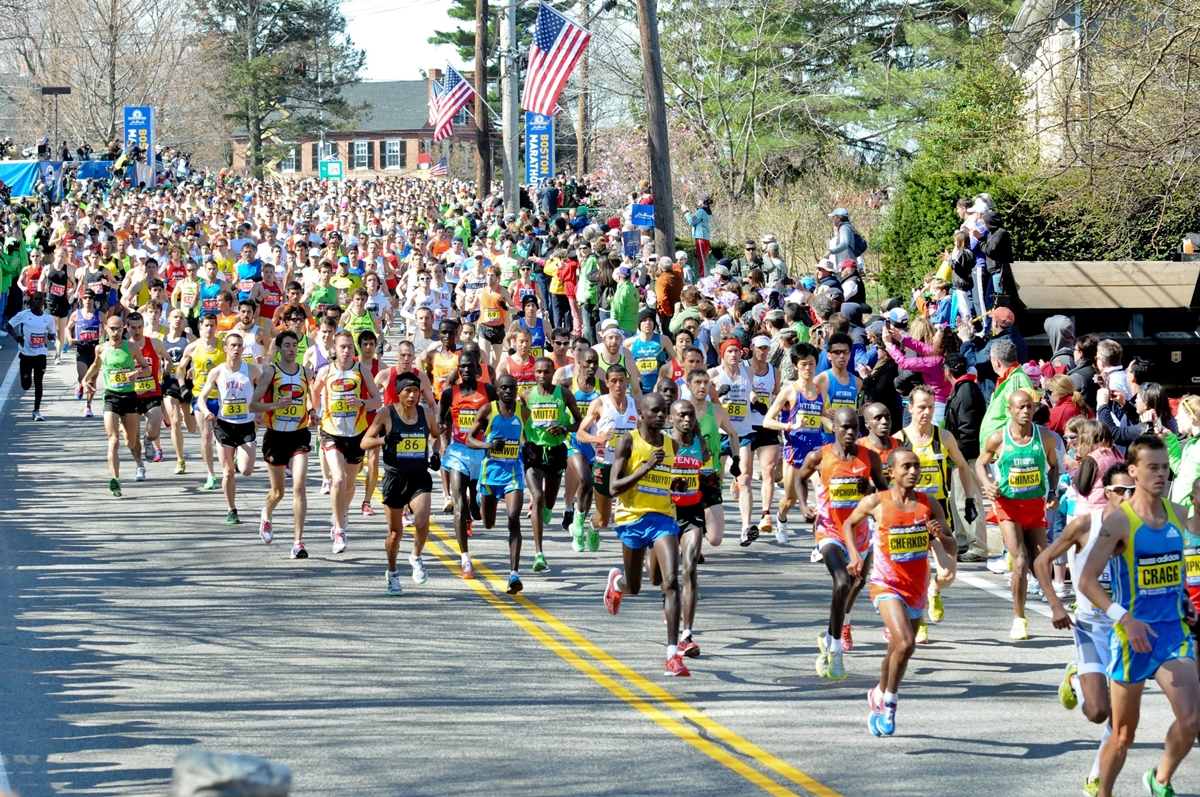
Most people assume reaction time is only a sprinter’s concern. That is not quite right. Whether you are lining up for a 100-meter dash or a trail 50K, the moments between the gun and your first stride involve a cascade of neural signals. Your ears detect the sound, your auditory cortex processes it, and your motor cortex fires a command to your legs. That entire chain takes time, and it varies more between individuals than most people expect.
Research on human reaction time shows that average auditory response in healthy adults runs between 150 and 200 milliseconds. Elite sprinters can get down to 120 milliseconds or below. That gap is not purely genetic. Fatigue, hydration status, stress, and sleep quality all shift your baseline. A runner who slept poorly and skipped breakfast can expect noticeably slower neural firing on race morning.
This is why measuring your personal baseline actually matters. Most runners know their lactate threshold and their estimated VO2 max. They have never once tested how fast their brain responds to a signal. Taking a free reaction time test gives you a real number to work with. You get a personal average across several trials, which is far more reliable than a one-off measurement taken on a random afternoon.
What You Can Actually Learn From Your Score
A single number is only useful if you know what to do with it. Here is how to read your reaction time result in a running context:
- Test on fresh legs first. Get your baseline when you are well-rested. This becomes your cognitive peak, the number your brain can hit when everything is optimal.
- Test again after a long run. Do the same test within 30 minutes of finishing a hard effort. Most runners see a 15 to 30 millisecond drop. That gap tells you how much cognitive performance fades under physical fatigue.
- Test on race morning. This one is eye-opening. Nerves, early wake-ups, and pre-race adrenaline all affect your score in unpredictable ways.
- Track trends across a training block. If your average score creeps up across several weeks, that can signal accumulated fatigue or poor sleep before you feel it in your legs.
Consistency matters more than chasing a low number. What you want is a stable, well-rested baseline and a predictably small fatigue-induced drop. Wide swings between days often point to lifestyle factors worth addressing.
Trail Runners Have a Unique Cognitive Challenge
Road runners can zone out during a long run in a way that trail runners simply cannot. On technical terrain, your brain is constantly doing work that your training log never captures.
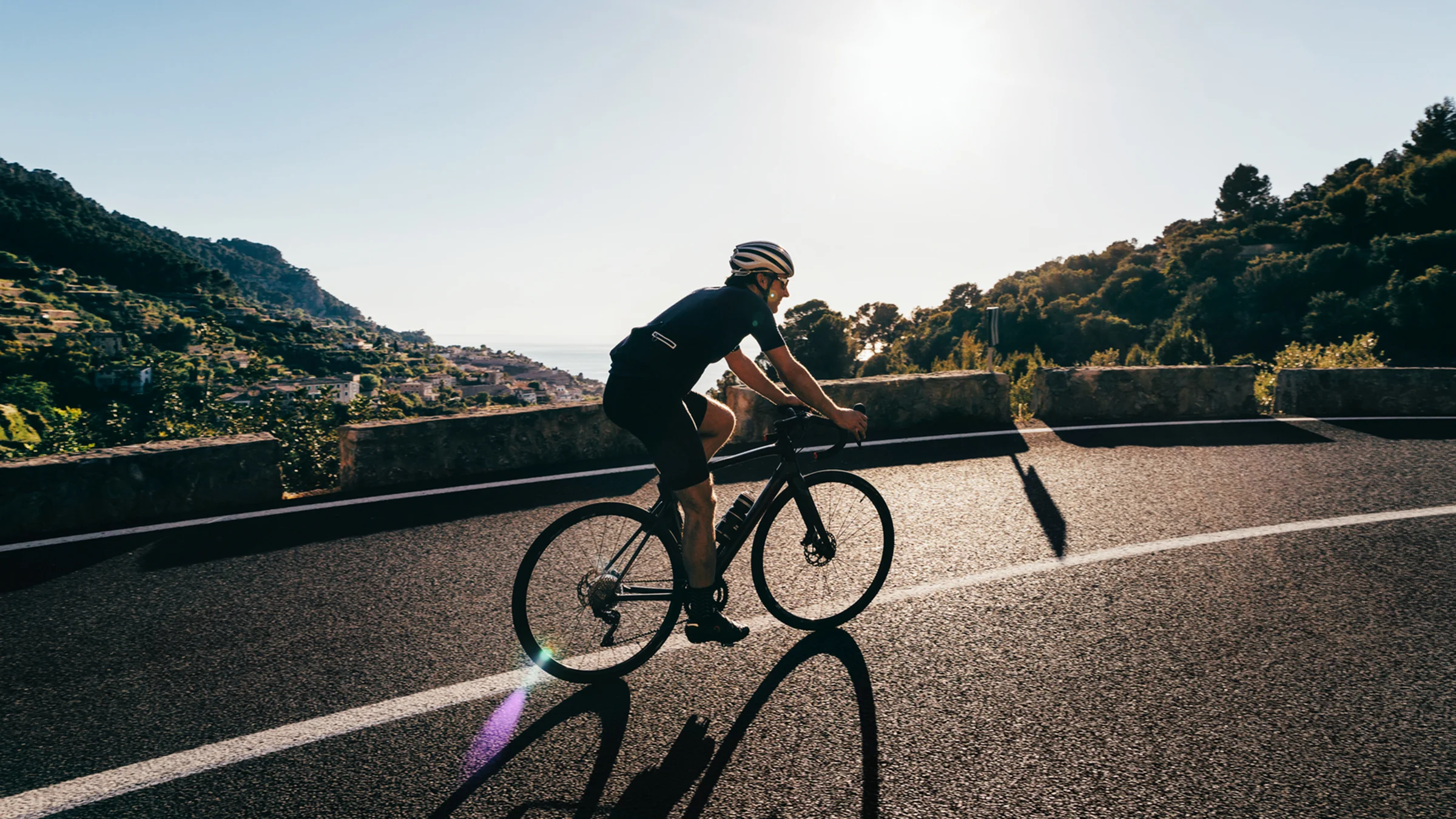
Every stride on a rooted, rocky, or uneven surface involves a rapid decision. Your eyes scan ahead, your brain assesses safe footing options, and your foot placement adjusts in real time. This process draws on spatial memory and rapid pattern recognition, and it taxes the same neural resources as reaction time. Runners who are better at holding and processing visual information can read a trail section faster, make sharper footing decisions, and use less mental energy doing it.
This is where a visual memory test becomes a genuinely useful training metric. The test measures how accurately you can recall positions on a spatial grid, which maps reasonably well onto the kind of terrain-reading that trail running demands. A strong score suggests your brain holds spatial information long enough to act on it. A weaker score points to a trainable gap.
Visual memory is not fixed. It responds to practice, sleep, and aerobic exercise. Research into exercise and brain function supports the idea that regular aerobic training produces measurable benefits for memory and processing speed. Trail runners who do consistent technical runs are, in a sense, already training this system without realizing it. Knowing your score gives you a way to track improvement beyond pace and distance.
Training Your Brain Between Runs
You do not need to overhaul your training plan to work on cognitive fitness. Small habits across the week can move your scores meaningfully over a season.
Here are approaches that research and athletes support:
- Prioritize sleep above everything else. Cognitive performance degrades faster than physical performance with sleep loss. Seven to nine hours is the range where reaction time and memory stay sharp.
- Warm up your nervous system before races. Short, sharp strides and dynamic drills do not just prime your muscles. They shift your nervous system into a high-alert state before the gun goes off.
- Practice dual-task training. Running while counting backward, solving simple math problems aloud, or memorizing a route you have not studied before forces your brain to work under physical load.
- Avoid passive screen scrolling in the hour before a race. Low-engagement screen consumption puts your brain into a passive state, the opposite of where you want it at the start line.
- Use easy days for mental recovery too. Cognitive fatigue is real and cumulative. Easy runs with minimal navigation demands let your brain recover the same way your legs do.
The principle here is simple. You train what you test. Most runners test their aerobic system constantly and never test their cognitive system at all. Adding a short benchmark session once a week, even five or ten minutes, starts closing that gap.
A Fun Cross-Benchmark for Runners Curious About Brain Speed
Off-Track Benchmark: Your brain does not only perform under physical load. How fast and accurately it works at a desk is a different kind of signal. If you want a lighthearted way to see how your processing speed stacks up in a completely different context, try a WPM percentile calculator to see where your typing speed lands relative to the broader population. Runners with strong visual-motor coordination often score well here. It is not predictive of race times, but it is a fun way to see your cognitive reflexes from a fresh angle, and it takes about three minutes.
Building a Cognitive Pre-Race Ritual
Most pre-race routines focus entirely on the physical. Shoes, nutrition, warm-up, playlist. Adding a short cognitive component takes five minutes and can sharpen your focus in measurable ways.
The idea is straightforward. In the 10 to 15 minutes before your warm-up jog, do something that demands focused attention. A short round of reaction time testing, a spatial memory puzzle, or even a fast mental arithmetic drill all work. The goal is not to hit a personal best. It is to shift your brain from rest mode into high-alert mode before your body needs to follow.
Athletes in other precision sports have used this approach for years. Tennis players run visual cue drills before matches. Table tennis competitors do focus-priming exercises as part of their warm-up. Distance runners have been slower to adopt these habits, partly because the feedback loop is less obvious. You do not feel a sharper reaction time the way you feel looser hamstrings after a dynamic stretch. But the effect is real, and it is worth testing on a low-stakes training run before you commit to a race-day ritual.
Your Brain Is the Final Untrained Variable
Runners spend thousands of hours building aerobic capacity and almost no time measuring the nervous system that controls how that capacity gets used. That is a gap worth closing.
Your reaction speed at the gun, your ability to read terrain on a technical trail, and your mental sharpness in the final miles of a race are all trainable. They respond to sleep, practice, aerobic fitness, and deliberate attention. Getting a personal baseline on each of them takes less than 15 minutes and costs nothing.
The athletes who find extra seconds in a race are rarely the ones who simply trained harder. They are the ones who trained more completely.