Home>Running Culture>Culture>Why Race Photographers Always Catch Your Worst Running Moment
Culture
Why Race Photographers Always Catch Your Worst Running Moment
Published: October 3, 2026
Your race photos always look terrible. Here's the real reason why, and a free fix that turns grimace shots into something worth sharing.
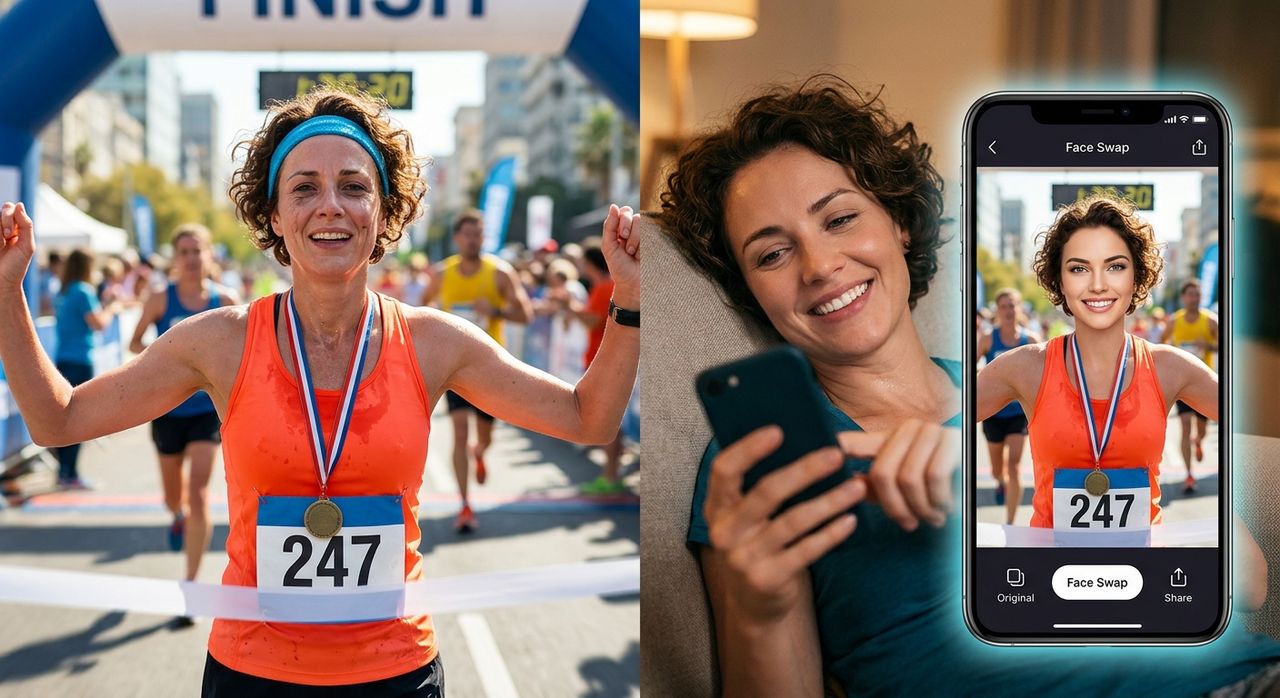
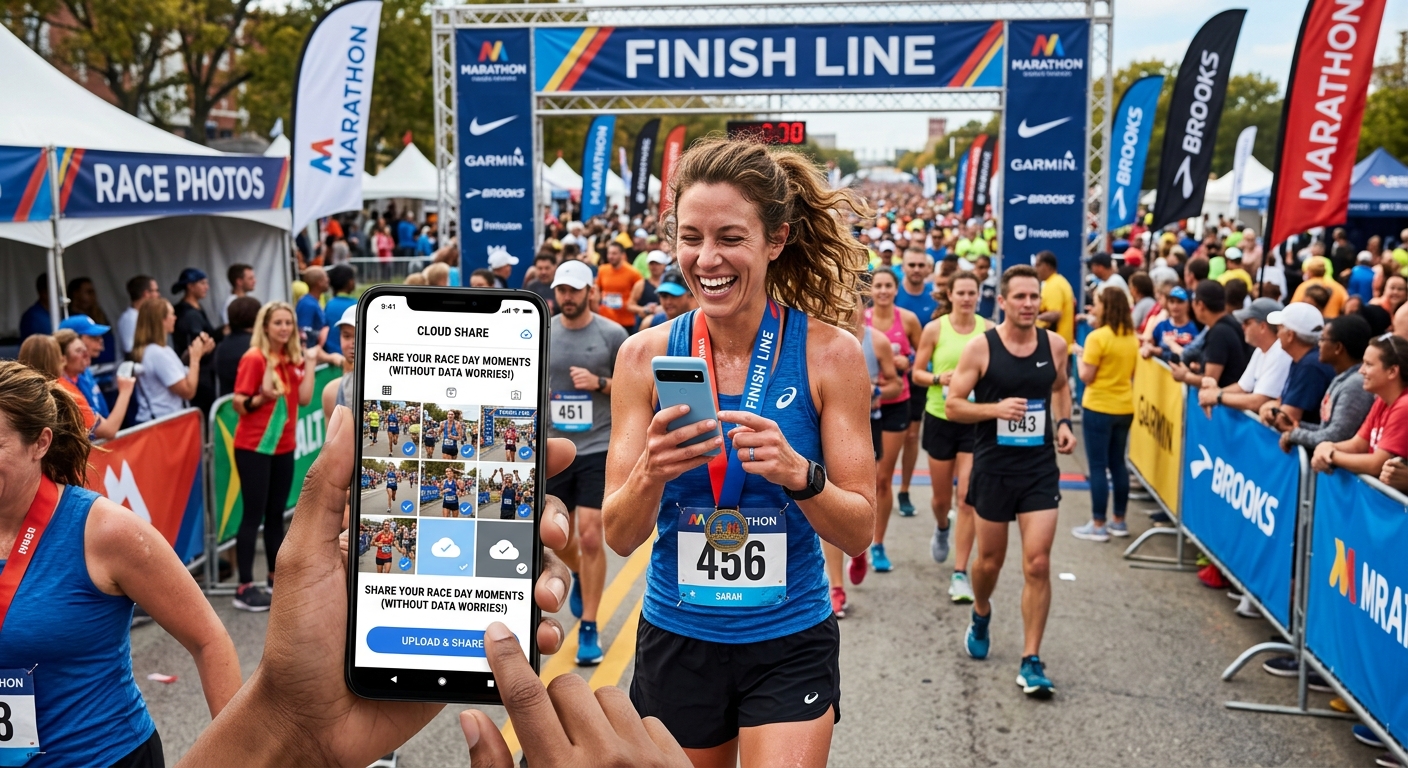
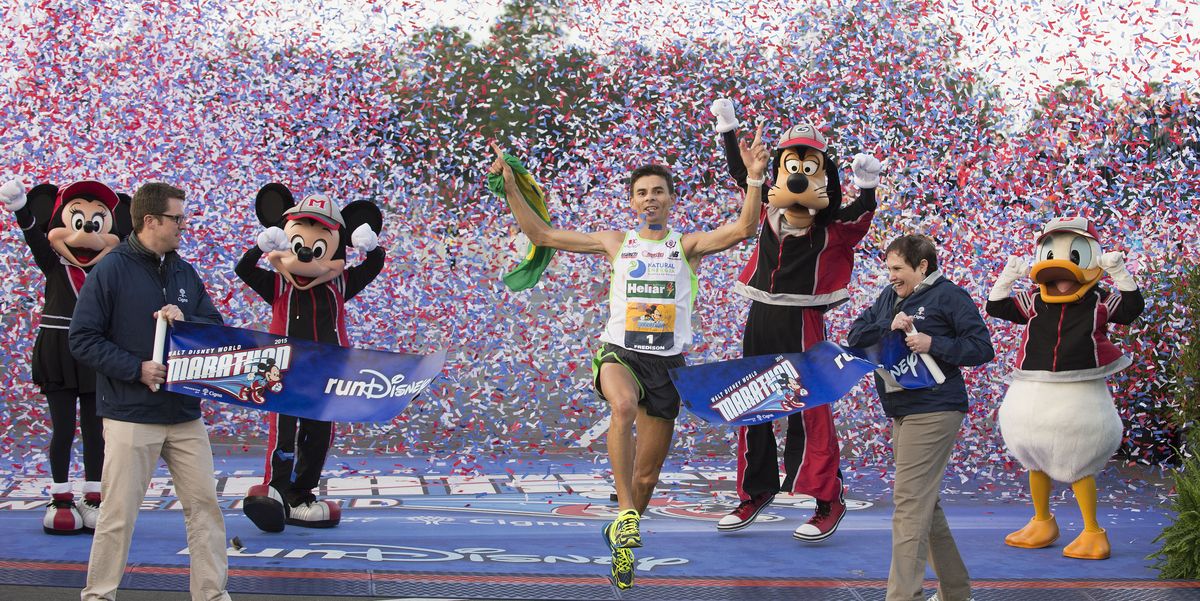
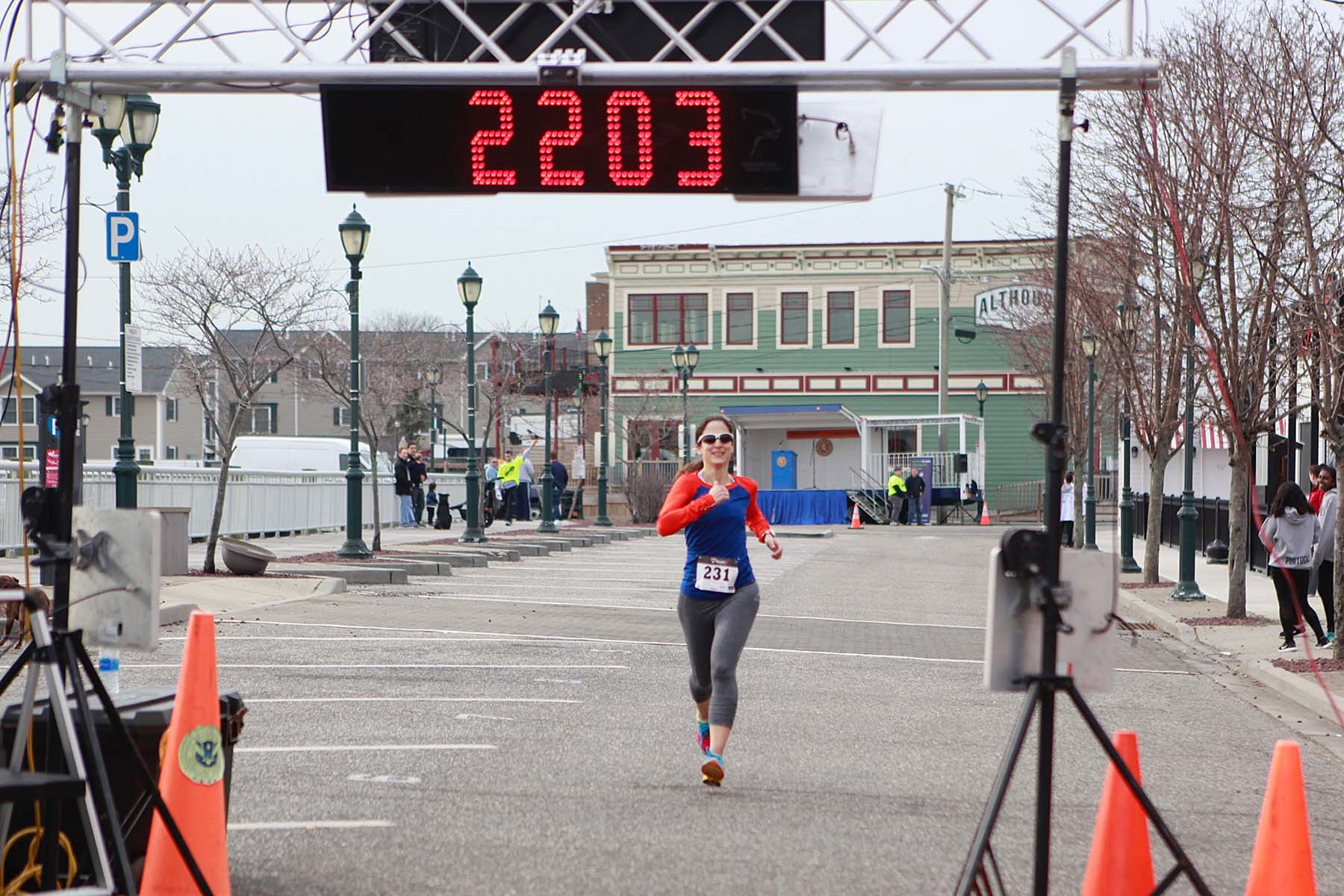
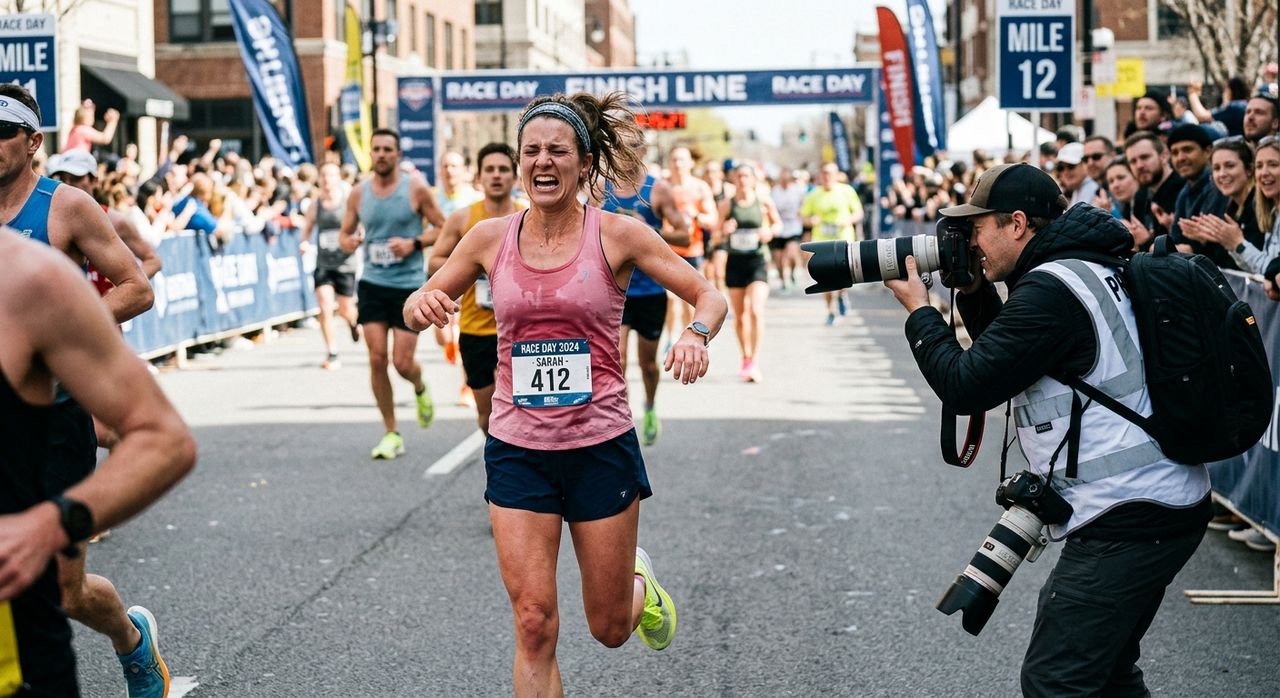
You cross the finish line, legs burning, heart pounding, and two days later the official race photos land in your inbox. You open them with hope. You close them with something closer to dismay. Somehow the photographer found the exact frame where your face looks like you are being chased by something, your posture has collapsed into a question mark, and the midday sun turned your skin into a washed-out blur. You paid the entry fee. You trained for months. And the photo looks like a crime scene reconstruction.
Key Points:
1. Race photographers are trained to capture peak-action moments, not flattering portraits, which is why the emotional honesty of your mile-22 face is perfectly preserved.
2. Outdoor race conditions, harsh sunlight, and split-second timing combine to create lighting that works against almost every runner.
3. A free, browser-based portrait enhancer can correct exposure, even skin tone, and recover detail without a download, an account, or a fee.
Why the Photographer Is Not Actually Against You
It is tempting to assume the photographer had it out for you personally. They did not. Race photographers are doing exactly what their craft demands: capturing the decisive moment of athletic movement.
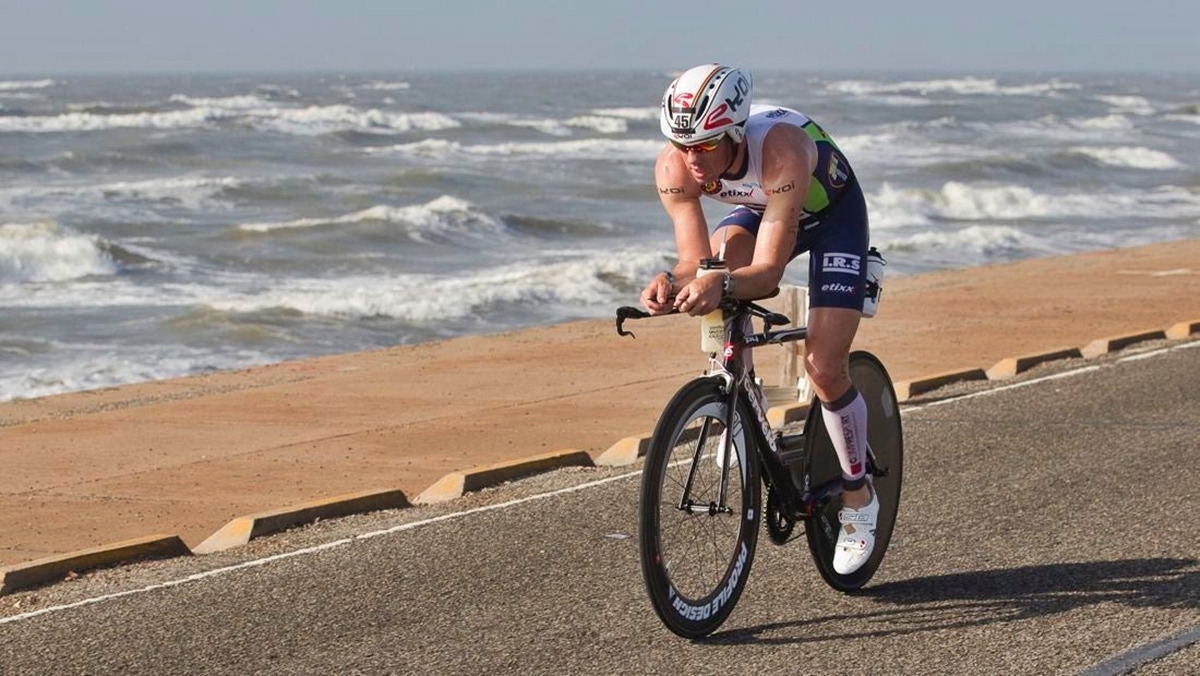
Sports photography as a discipline is built around freezing peak action, the split second when effort is most visually apparent. That means tight crops, fast shutter speeds, and angles that emphasize movement over aesthetics. A photographer shooting a marathon has milliseconds to track each runner, compose the frame, and fire. There is no time to wait for a flattering expression or a moment when your shoulders are relaxed and your brow is unlined. By the time any of that happens, you have already run past.
The result is technically excellent photography that is also, for most runners, genuinely unflattering.
The Three Reasons Every Race Photo Looks Like That
It is not just timing. Three specific factors stack against you in almost every official race photo.
The Lighting Problem
Most road races happen in the morning, late morning, or midday, when the sun is at angles that create harsh overhead shadows. Shadows under your eyes, under your nose, under your chin. These are the conditions that professional portrait photographers specifically avoid and that race photographers have no ability to control.
High-altitude trail races are even harsher. Thin air and direct sun at elevation make every face look overexposed on one side and deeply shadowed on the other.
The Expression Problem
Here is the honest truth: running hard is not a photogenic activity. Your body is managing an extraordinary metabolic effort. Your face shows it. The concentrated frown, the open mouth, the slightly unfocused eyes. These are not signs that you were having a bad race. They are signs that you were working.
Professional runners look composed in race photos because they have practiced relaxing their faces during hard efforts. Most recreational runners have not, and that is completely fine.
The Angle Problem
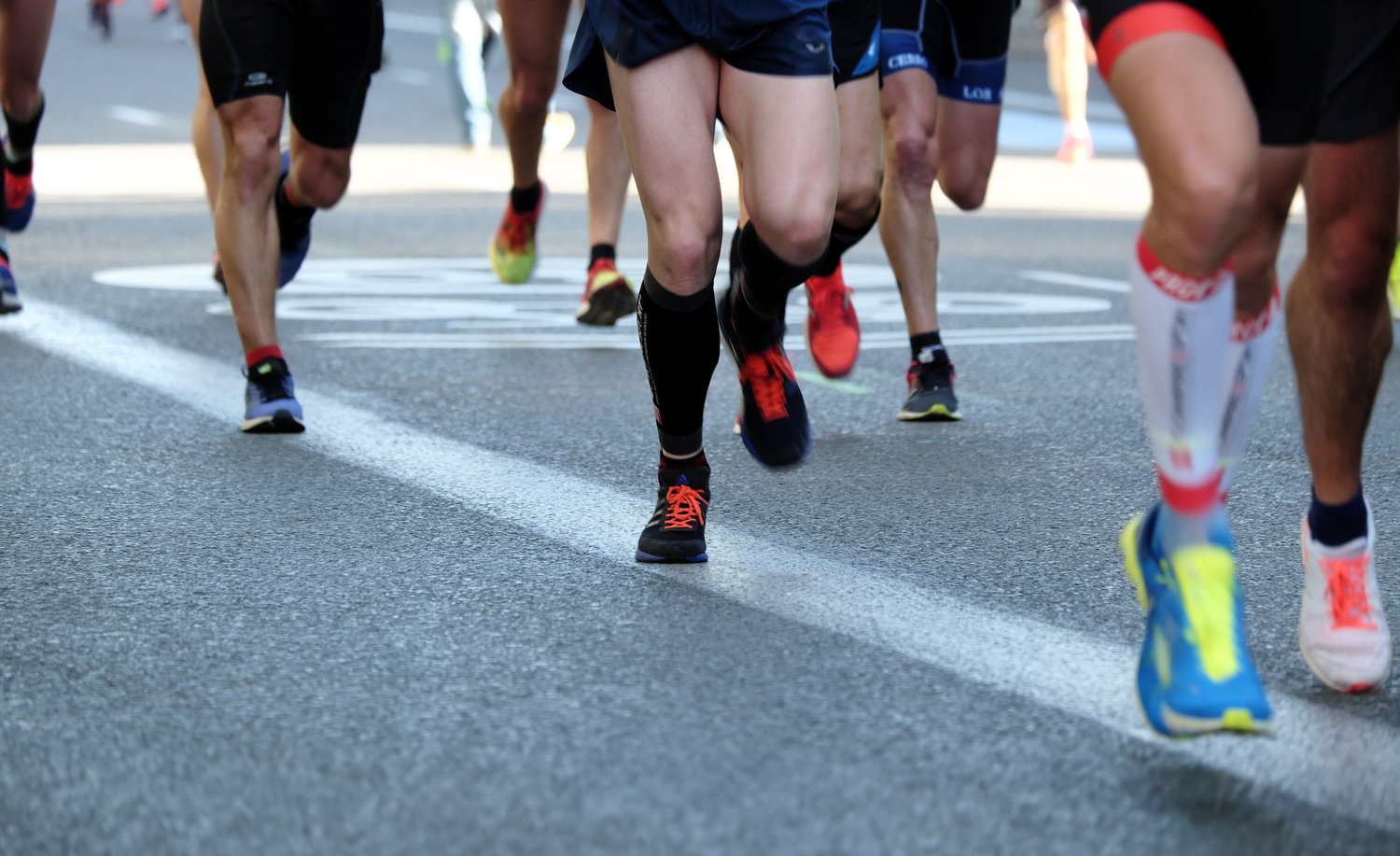
Race photographers shoot from the side of the road, usually at roughly chest height or lower. That angle foreshortens the legs, exaggerates any forward lean, and catches whatever a runner does with their arms mid-stride. Even athletes with excellent form look slightly unusual from that vantage point.
What You Are Actually Paying For
Official race photos are not cheap. Most marathon photography services charge between fifteen and thirty-five dollars per image, with bundle pricing for four or five shots. You often cannot see the full-resolution version until you pay.
What you are paying for is documentation. Proof that you were there, that you ran that distance, that you crossed that line. The value is real. The aesthetics, however, are a separate problem.
Here is what typically goes wrong in official race photography:
- Exposure set for the bright background, leaving the runner underlit or muddy in color
- Fast shutter speed captures micro-expressions that look intense or distressed at a glance
- JPEG compression artifacts become visible in skin tone and hair detail
- Color temperature shifts noticeably between shaded and sunny sections of the course
None of these are editorial choices. They are practical limitations of shooting fast-moving subjects in uncontrolled outdoor light.
The Fix That Requires Nothing From You
Here is where the story gets better. You do not need Photoshop skills, a subscription, or a paid editor to turn a harsh race photo into something you would actually post.
A good portrait enhancer handles exactly the problems that race photography creates: blown-out highlights, uneven skin tone, heavy shadows under facial features, and the slight loss of detail that comes from shooting at high ISO in difficult conditions. Upload the image, let the tool analyze the portrait, and in seconds you get a corrected version where the lighting looks natural, the skin tone is even, and the overall image reads as a real photograph rather than a document of your worst mile.
No account required. No download. No watermark. The tool runs in the browser, which means it works on any device you happen to have open.
The Steps Most Runners Skip
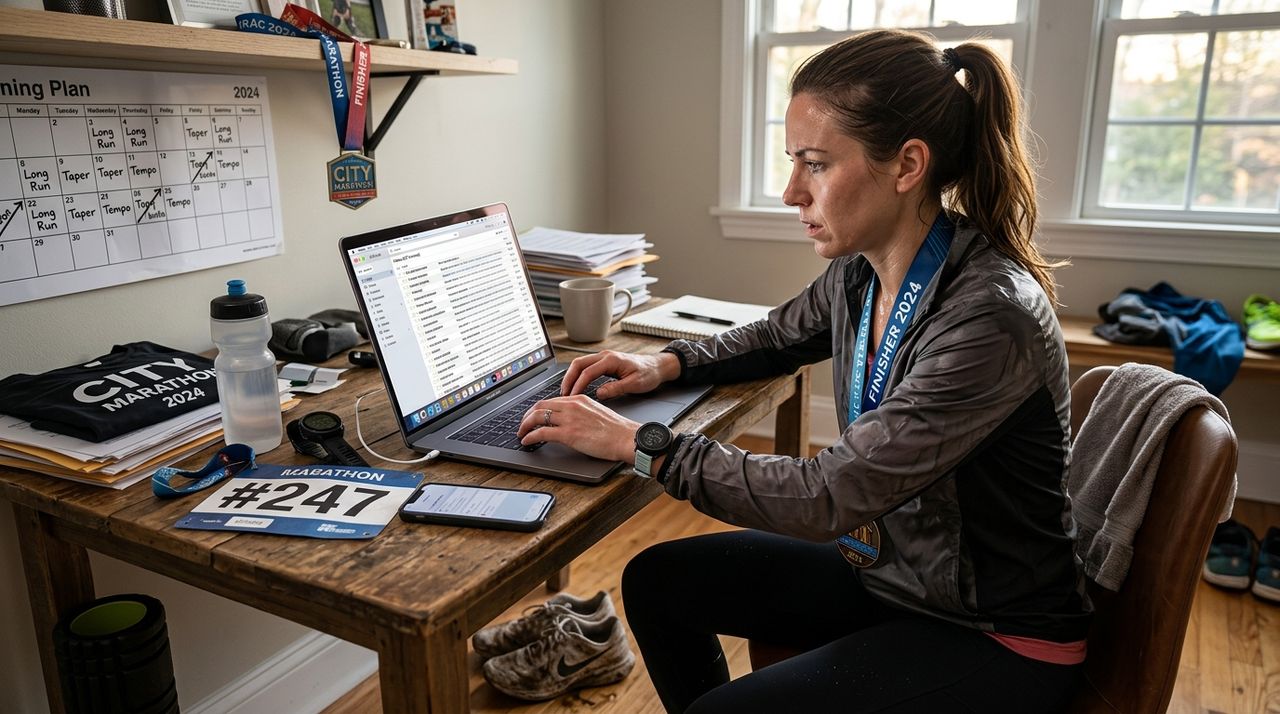
Most people receive the official photo link, wince, close the tab, and forget about the image entirely. A smaller group pays for the download and then leaves the file sitting in a folder for months. Almost nobody takes the ten minutes to actually fix the photo and use it.
That is a shame, because you worked hard for that finish. Here is a practical process that actually works:
- Download the official photo, or take a screenshot of the watermarked preview if you want to test the fix before committing to a purchase.
- Open the portrait enhancer in your browser and upload the image directly.
- Let the correction run. It handles lighting and skin tone in a single step.
- Review the result and check that no important detail has been lost.
- Save the corrected version, crop to the portion you want to feature, and post it.
The whole process takes about five minutes.
Why Editing Race Photos Is Not Cheating
Some runners feel uneasy about editing race photos. The logic goes: you want the image to show what actually happened, not a polished version of it.
That is a reasonable instinct, but it misunderstands what photo editing actually does. Correcting harsh outdoor lighting is not the same as changing what happened. You ran that race. You crossed that line. The photo shows that.
What you are correcting is the technical failure of the camera and conditions to capture light as your eyes would have seen it. The grimace, the furrowed brow, the intensity in your eyes. All of that stays. You are just ensuring the image reads correctly, the way the moment would have looked to a spectator standing beside the photographer.
What the Right Edit Actually Changes
Let us be specific about what improves and what stays the same after portrait correction.
What typically changes after a good edit:
- Skin tone becomes consistent across lit and shadowed areas of the face
- Overexposed patches on the forehead and cheekbones recover visible detail
- The overall image looks as if it was taken in more favorable light
- Color casts from varying race-day temperatures are corrected
What stays exactly the same:
- Your expression, preserved exactly as it was in the original frame
- Your form and stride captured at that specific moment
- Everything in the background including other runners, spectators, and the finish arch
- The authenticity of the moment itself
The edited photo is still your photo. It is just the version the light would have given you on a better morning.
So You Ran 26.2 Miles. Let the Photo Show It Properly
You put months of training into that race. Early mornings, long runs on tired legs, the kind of effort that earns a real celebration. The official photo is part of that record. It does not have to be the version that makes you wince every time it surfaces in your camera roll.
Race photographers are doing exactly what they should be doing. The lighting is what it is. The angles are fixed by the geography of the course. None of that is going to change between now and your next race, and none of it means you are stuck with a photo you would never willingly share.
Fix the lighting. Even the tone. Keep the grimace, because that grimace is the truth of what you did out on that road. Then post the thing. You earned it.